
When your child is diagnosed for the first 5 years of their life with “we know there is something genetically wrong, but not what.” Then you finally get a diagnosis, and you are told it is a genetic disease so rare they don’t know what PACS1 is, but she has it! You learn that parents are your best go-to for information.
Even before Bridget was diagnosed, her therapies were trial and error. I found more information from sharing with other parents in the waiting room what worked for their child and what might benefit my own.
Bridget does not age out of the school system, but already I am learning that I need to be aware of how things change, even before I am ready. For example, we were always that a child of Children’s Hospital is always a patient there. Yet across the country that is changing.
I never imaged that she would age out of her healthcare system.
Which makes sense when I think logically about it. A pediatric cardiologist knows the pediatric heart. They are not trained in the heart conditions and complications of a 40-year-old. This is devastating to the parent who has been cocooned in the bubble wrap of a children’s hospital where their child has been a patient since the NICU. While the adult physician might be the best to diagnose and treat her non-pediatric body, that doctor has no idea how to interact with her 4-year-old mind. This has proven true any time I have taken Bridget to a local doctor, be it an optometrist or an emergency room doctor and nurse.
The adult provider is just not trained in the pediatric mind. Just as the pediatric gastroenterologist is not trained in the adult digestive system.
Even the waiting rooms are not equipped to treat children soon to be adults like Bridget. For example, last month we were in the waiting room at Children’s Hospital. Bridget was having a VERY difficult time. She was in full meltdown mode. Hitting me, while alternatively hugging me. Crying and sobbing after spending almost 4 hours in traffic trying to get to a 15-minute appointment with her favorite GI.
The team at Children’s did not embarrass us, they did not judge us. Instead, they quietly approached and said, “Bridget’s mom, we opened up an exam room for you. We can do her vitals in a quiet space for her to wait for Dr. Rosen”.
Over the summer, when Bridget was adjusting to the catatonia medications, there was an issue obtaining her Ativan. The pharmacy told me “She could not miss the medication without serious complications”. Told me to go to our local ER and explain the medication need. Bridget was having such a difficult time anyway, now we were entering a crowded ER with a triage nurse that was all done with her day. Instead of seeing a child in crisis, she saw a 16-year-old out of control and basically told us they could not help.
There was no empathy (yes, I lodged a complaint with the hospital). There was no understanding that this is not just a teenager who was abusing her mom but was having a serious medical issue that her 4-year-old brain could not understand.
On a less serious note, about 3 years ago we took Bridget to a local ophthalmologist for a routine eye exam. The waiting room was fine. The exam room? Not so much. The doctor is great with teens; we had taken Bridget’s older sister to this same doctor.
But the doctor, while trained on the eyes has never encountered a child with Bridget’s profile before.
Quite simply, adult doctors have not been trained or exposed to those with intellectual disabilities (to my knowledge and recent experiences).
Whereas those of us lucky enough to have been cared for by Boston Children’s Hospital have been spoiled. We have had doctors since birth, or in the most recent case of Bridget’s latest PACS1 complication treated by physicians, nurse practitioners, fellows, lab techs, nurses and even cafeteria workers who look at our children as persons in need of empathy and care.
From janitors to doctors, we have been treated humanely.
I think I speak for all parents whose children have intellectual disabilities and complex care issues that we are terrified of this relatively new change in our children’s healthcare.
This is not simply leaving a pediatrician for an adult primary care provider.
This is leaving home and ending up in a country where no one speaks your language.
Thankfully we have 5 more years, but as every doctor Bridget has seen this fall has already started the conversation about transitioning to adult care, I am not confident that we have those 5 years.
As I talk with parents around the country, I know this is not just happening in Boston but nationwide.
And that is frightening for all of us
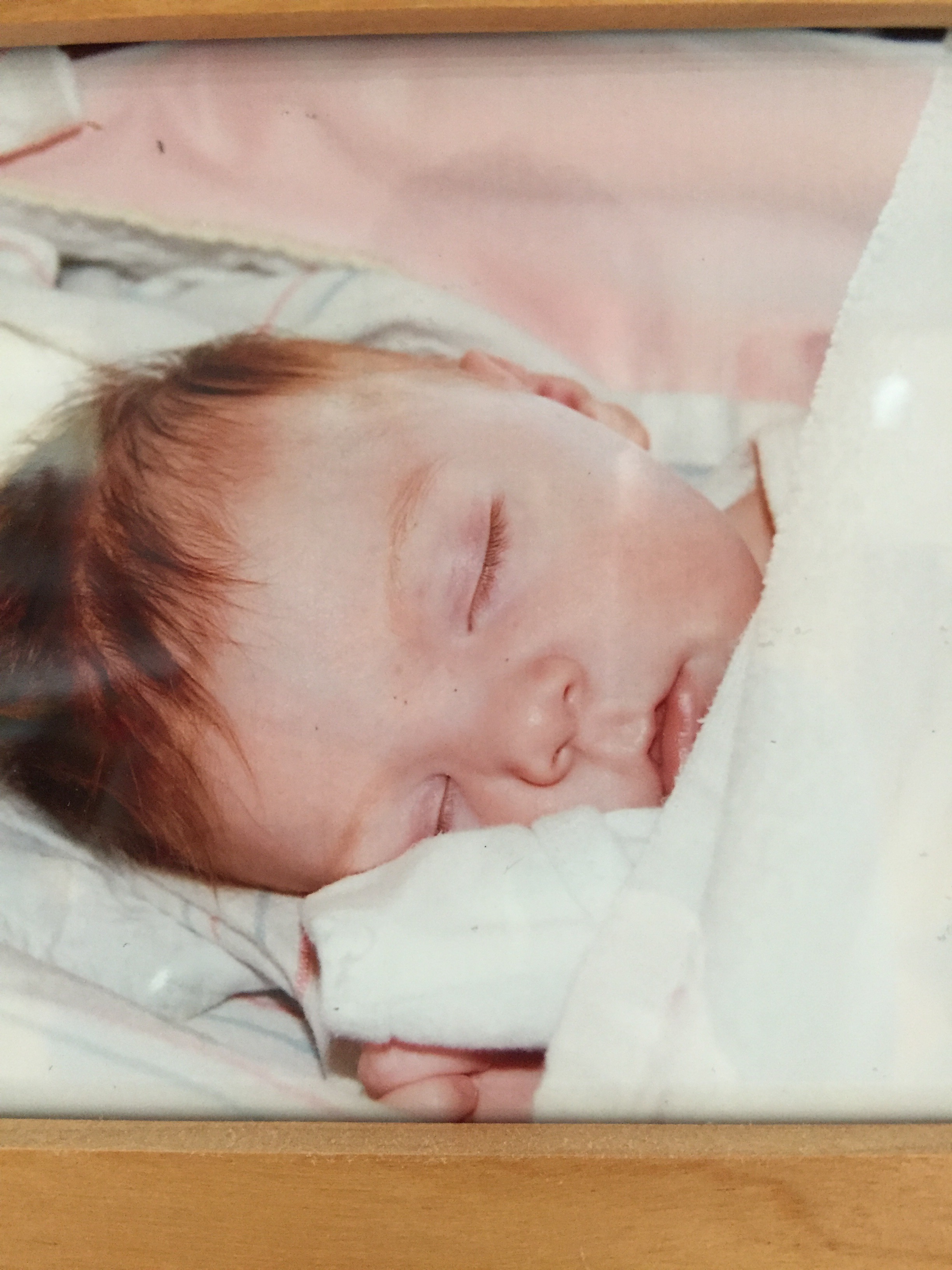
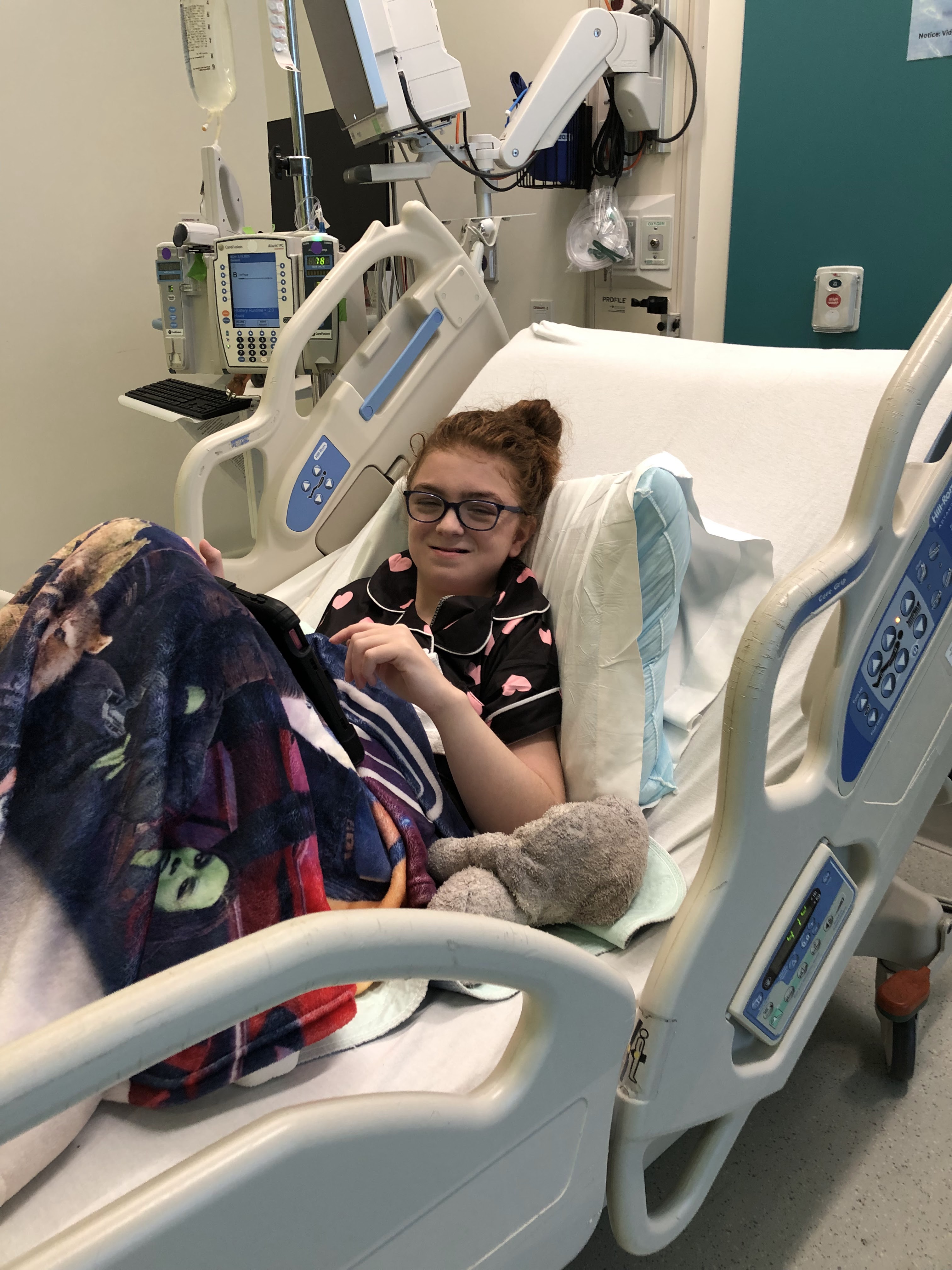
From one week old to 16 years old, Children’s has been our safe place, my hope is that in the next 5 years, whomever started this trend realizes the impact on our families and truly designs a plan for our families.
 (Un)Diagnosed and still okay