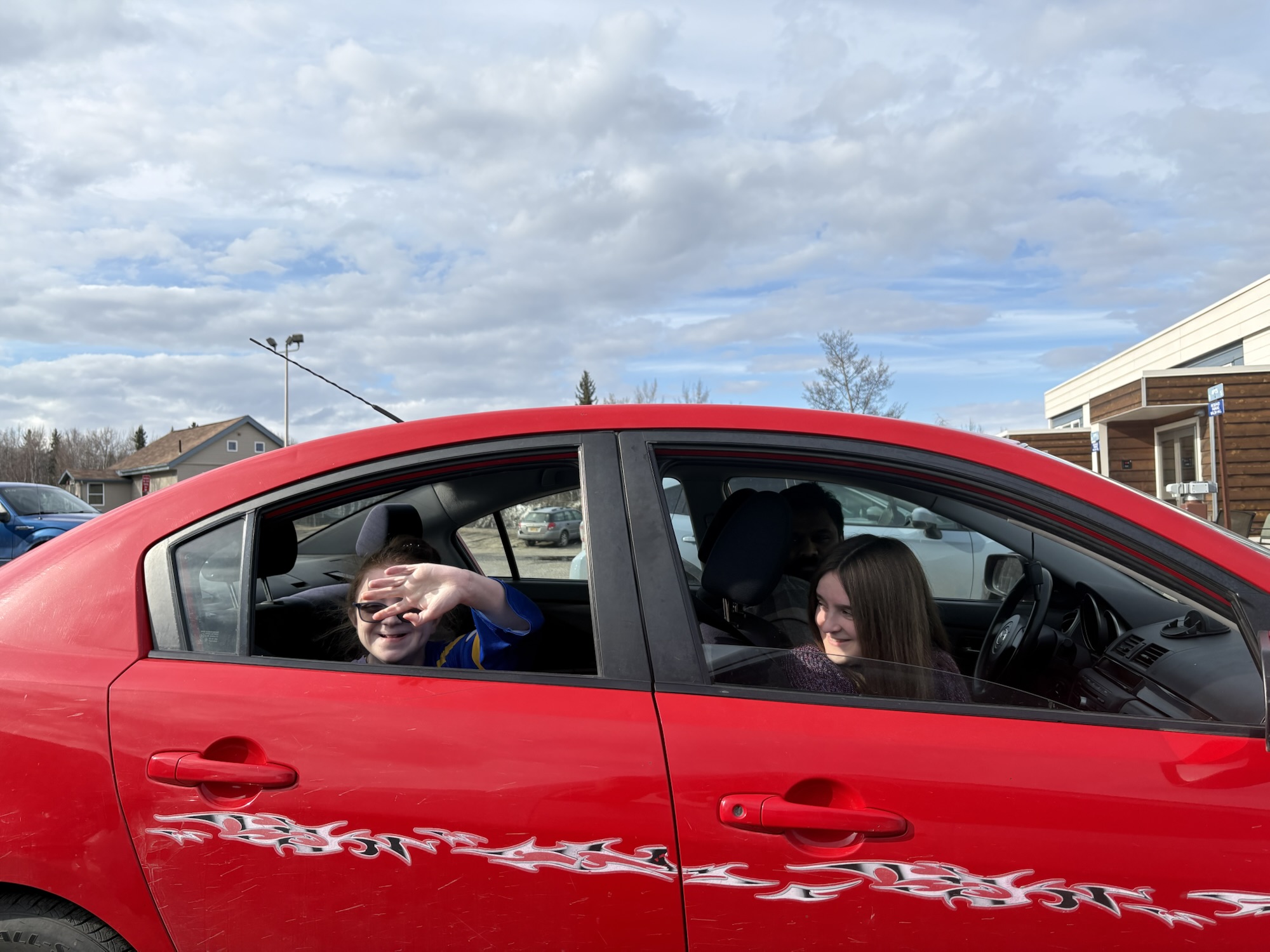
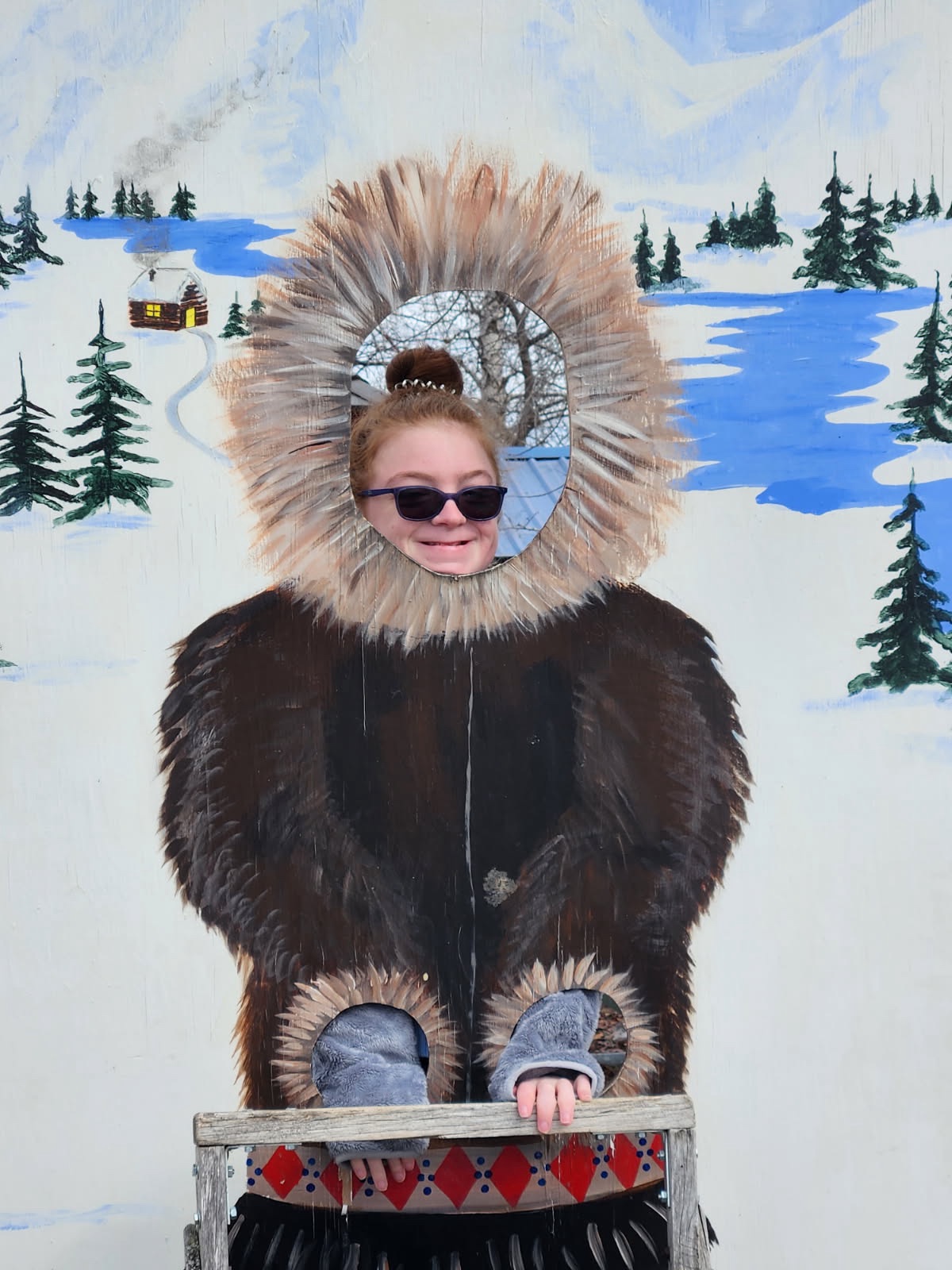
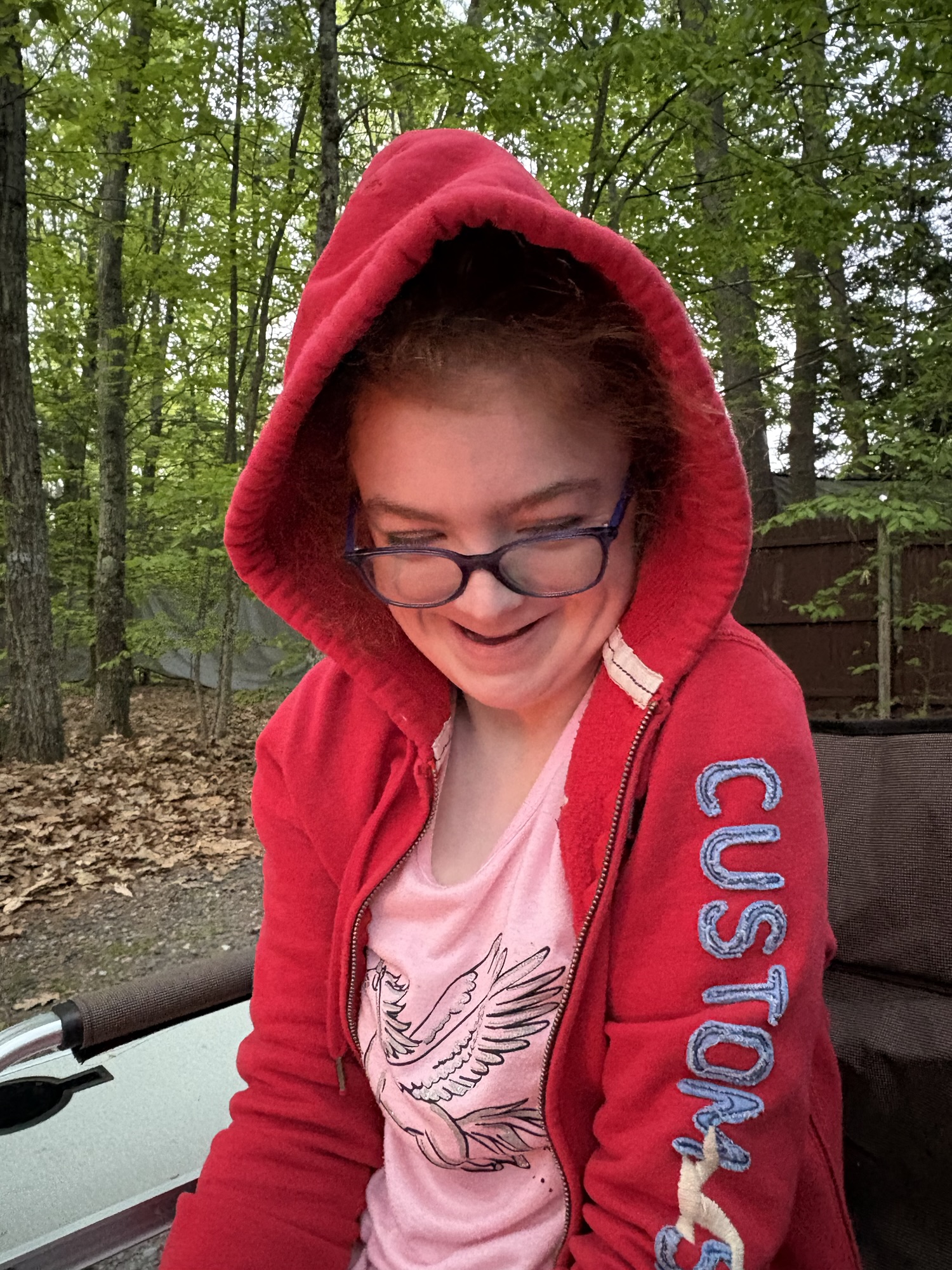
This has been a crazy week. I feel there were moments when I thought this was the longest Monday ever, and it was Thursday. There were moments when I thought this was the quickest week ever, when I woke up on Friday morning and realized I had not accomplished half the things I intended to this week.
While there were more than a few what the freak moments, there were also 10 moments to be grateful for…
That I have a supportive employer, that understands the true meaning of a flexible schedule.
That there are plumbers out there that come the same day you run out of hot water
That my nephew who is on leave from the military is spending it with us
That my eldest came home for a month, not just a few days
That Bridget is full of stories again, even if they may or may not be 100% accurate
That while last week’s IEP meeting/3-year evaluation was another reality check, I did not leave in tears, but thankful Bridget is at a school that supports her where she is at
That friend who seems to know exactly when to text a “how’s it going” text while letting me live vicariously through her train adventures
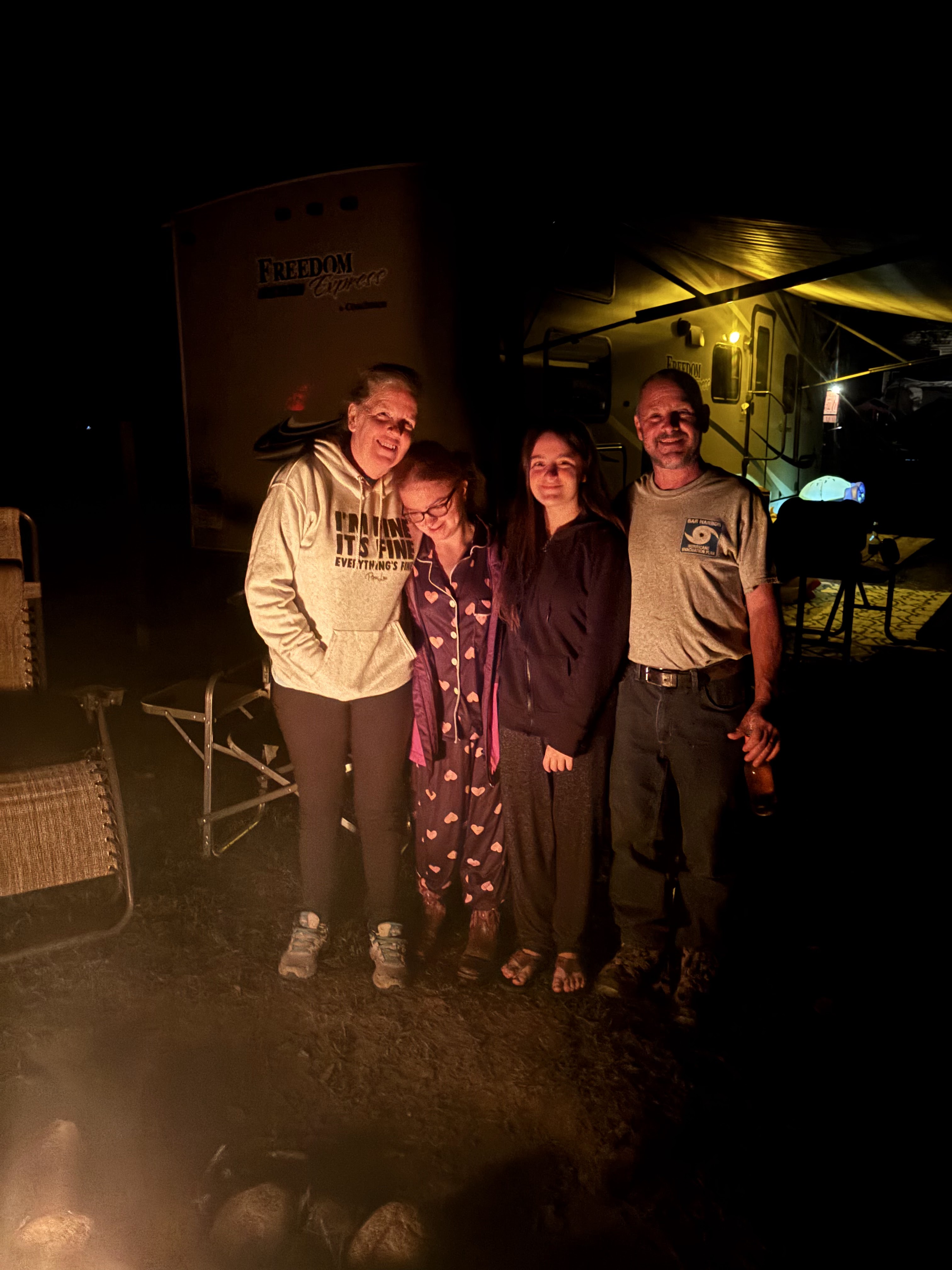
That when around the campfire, when everyone was talking over one another, Bridget (with perfect articulation) proclaimed: LISTEN TO ME. SHUT OFF YOUR MOUTHS! And instead of being insulted, all of us stopped for a moment, laughed and then continued making memories
That this summer, Bridget not only bossed us around the campfire, she interacted with everyone. Even if she kept rearranging where we all sat.
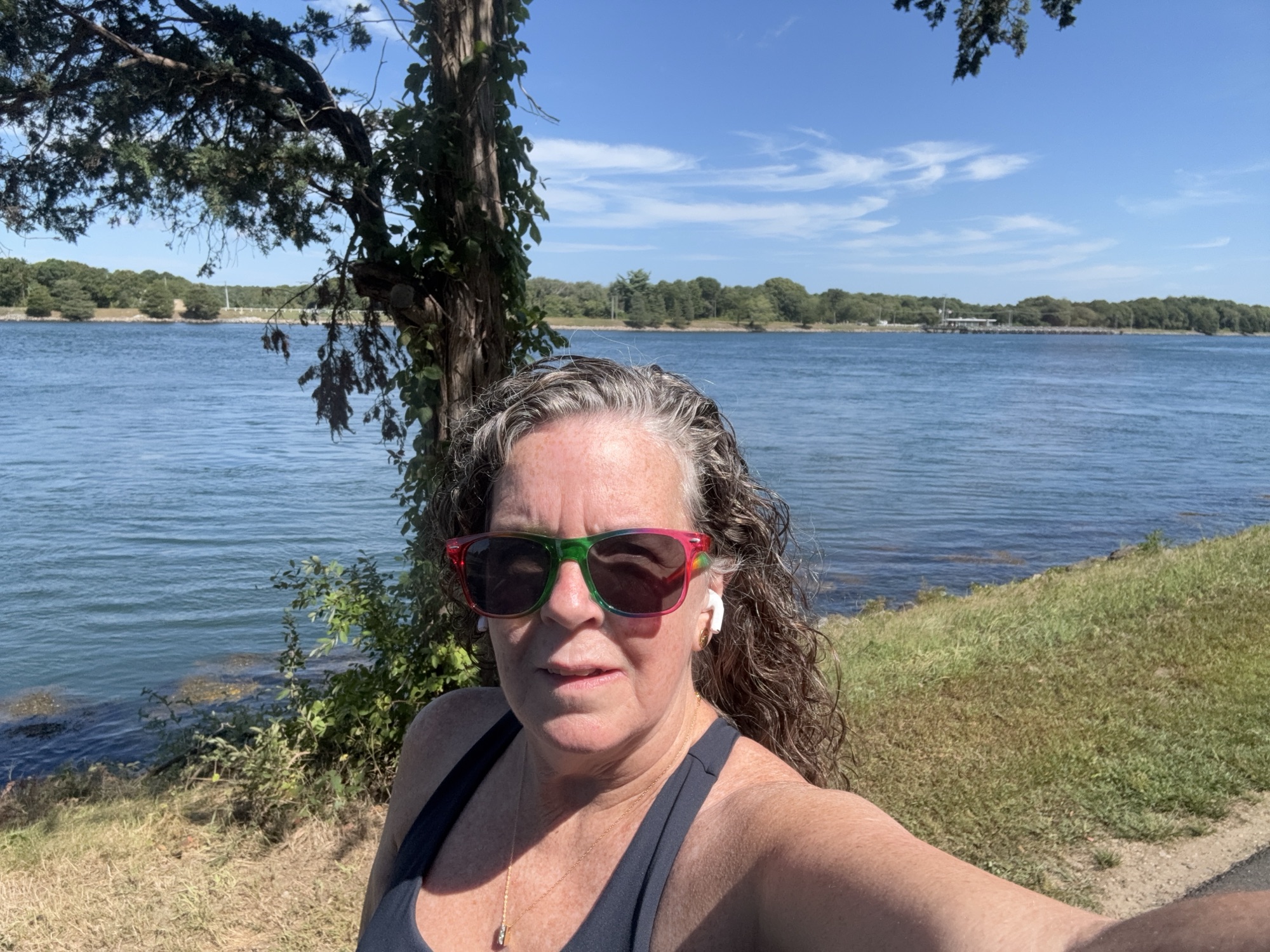
And for number 10….that I am finally comfortable allowing myself to take me time and only feeling 5% guilty about it. After that IEP meeting, when I needed to recenter myself from my dreams to Bridget’s reality, instead of pushing it down and soldiering on…I did not go back to work. I did not go home and start cleaning or doing 100 other things I should be doing, I took time to walk the canal. I took time to enjoy summer in September on the Cape. I took time to text it out with the friends that never judge what I am feeling in that moment. While it sounds selfish writing it out, I know I needed that 90 minutes to soak in the sun and walk out those feelings that it is okay to mourn my dreams of Bridget’s possibilities while being thankful for her reality. That she has one, that she is happy and that at the end of the walk I know I am doing the best I can to give her the best life she lives to her fullest potential.
Just about a year ago, we entered the most difficult summer/fall/winter of Bridget’s life. I won’t say it was the most difficult year.
2025
First, I am not tempting the universe with a hey Kerri you thought that was a hard year? Hold onto your Pinot Grigio.
Second, in the spirit of the waiting room game, there have been a lot of difficult years and moments with Bridget.
The first year that started with a NICU and ended with more time spent in the hospital than at home or work. The first year of her life where she began this journey with more doctors than I knew existed. Where I learned new terminology like laryngomalacia and how using Dr Google when I read her medical reports was a REALLY (JC caps) bad idea.
When my husband came home and (rightfully so) told me our life cannot be about this child. That we, as a couple, would not survive if we did not have a life beside hers. The moment when I needed to hear it (though kind of resented it since I was covered in throw-up at the time). But we listened to one another and have not just survived the past 17 years but are still best friends.
The moment when she threw up all over Frecky’s new kitchen. Her brand new kitchen and dining table. And we were not asked to leave.
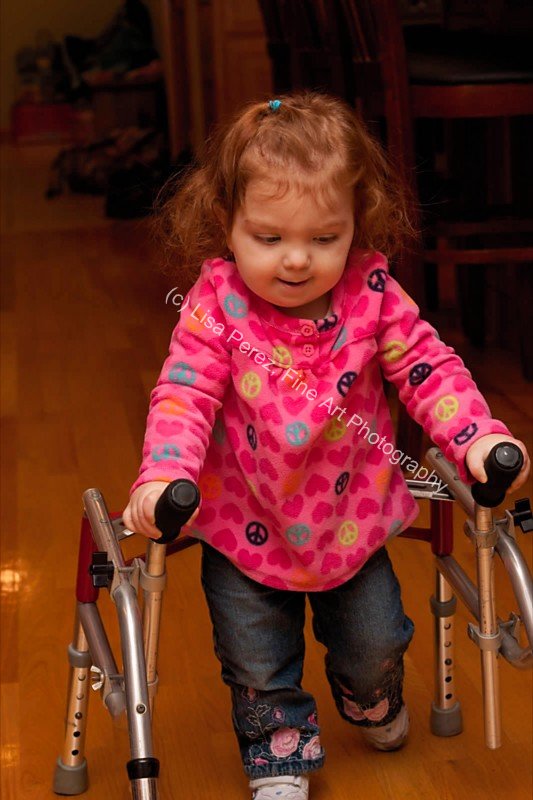
There was the year that I thought I have this, I get this, our child is just behind and learned that there was this thing called an IEP. That my child was not just behind her peers but would never ever be like them. The year that she learned to walk and then the minute she was off her walker, she needed spinal surgery.
The moment when she finally said her first word that everyone understood….and it was HOOKER as she sang along to Grease.
The year that all Abbey wanted for Christmas was her sister coming home, once again from the hospital when we almost lost her to sepsis. That wish coming true on Christmas Eve. In her words, “the best gift ever”
There was also that moment when a friend invited her to a birthday party, where she was not only accepted but a part of the group.
There was the year when I thought her heart was perfect, but she had to have a cardiac intervention. That moment when I realized I was the OG of BCH.
There was the year of accepting the autism diagnosis, learning what the freak AFOs were, the tears at those dreaded IEP meetings. Let’s not even talk about the COVID years where when the schools finally reopened I realized that her peers had moved on and the school I loved could not give Bridget what she needed. Putting her on that van, where she was going to a place I knew no one and had no village. That was a hard moment.
But also the moment of realizing this is where she belongs. That it is more about her happiness than my own comfortably.
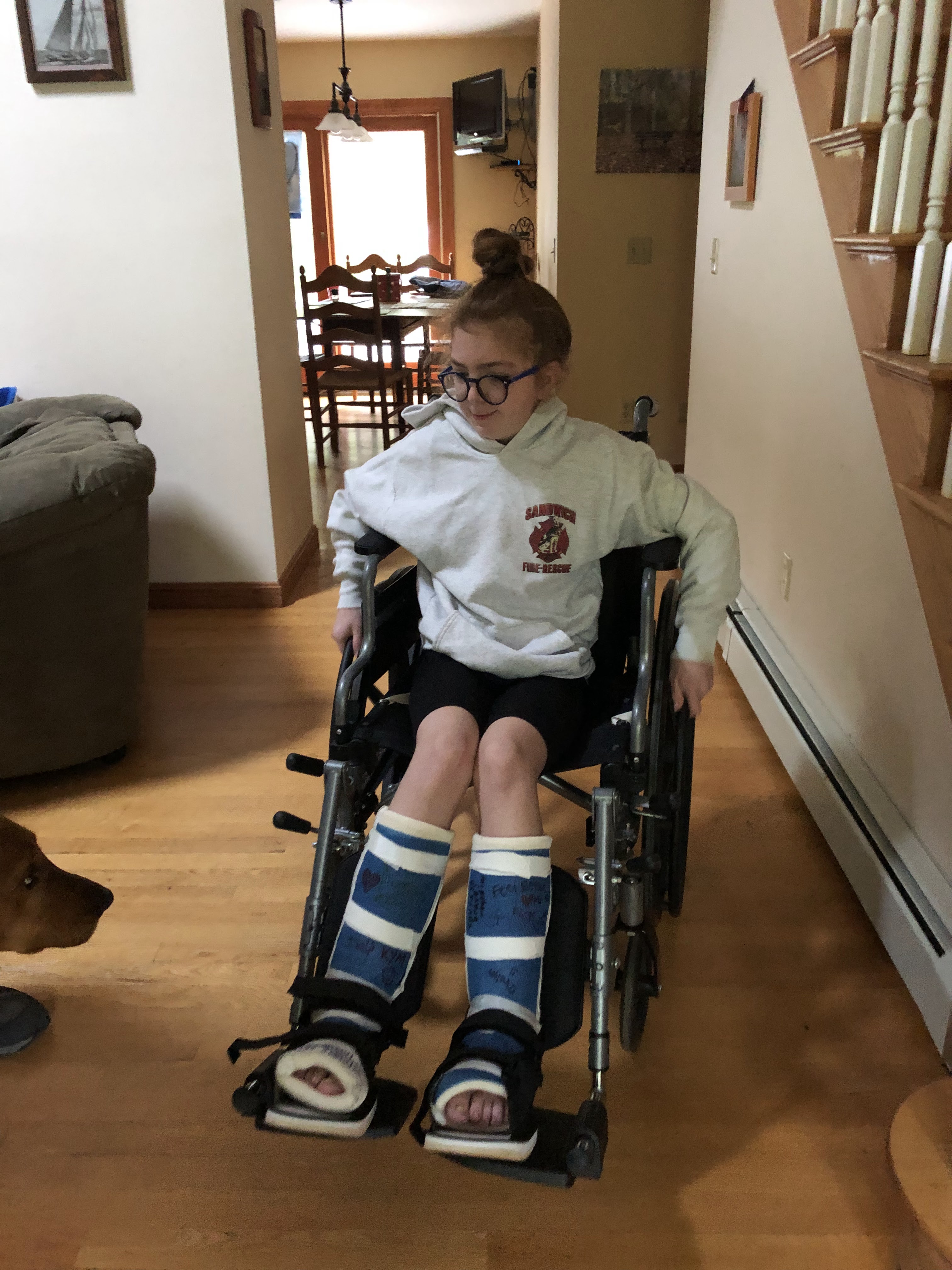
Then that time when she once again needed surgery, this time on relegating her to a wheelchair for months and relearning (once again) how to walk.
A few years of respite, those moments when I mistakenly thought that the universe would give my girl a break. Only for her to become catatonic. When she would beat me, tell me she hates me, cry (both of us) for not apparent reason.
The moment, when we left a party and I angry/ugly cried to Jenn-Said even though she was without sleep and dealing with her own shit. The moments where friends did not let me down, but were once again there for me. That, I swear, put dates on a calendar to make sure I survived last year.
See, before 2025, all those hard times were moments. Yes, each moment broke me a bit. Anyone who regularly reads this blog knows all the times I’ve lost my shit. When I thought I cannot do this anymore. Friends, my freaking village, has held me strong throughout each moment.
But last year, I honestly thought I wasn’t going to survive it. When my beautiful child would hit and scream at me. When I second guesses her medical team. When I thought I did this to her, she was fine retreating from me but I would not let her. When I gave up wine, because it made me whiny (that sucked!).
When I screamed at the universe to just give us a fucking break because she had already endured and triumphed over so many obstacles. That, as parents, we accepted she was never going to prom, get a job, her license or have a life like her sister. And we have finally become okay with the fact that we have a forever 4yo. So give me a freaking break and not give her catatonia on top of every fucking thing PACS1 has made her fight against.
It was a very long nine months. Then, in March 2026, the medicine regimen began to work. My funny girl was coming back. She no longer said I hate you as she hugged me. She no longer threw a temper fit at a retirement party.
She stopped telling Souke that she didn’t want Pop-Tarts and instead started demanding them.
She began interacting with the world again. Telling stories and being the funny comedian. She worked her ass off to become a part of our world again.
So I won’t say that this was the hardest year of her life.
I will definitely say it was the longest moment we have had to survive.
Thanks to her and my villages, we survived.
From the bottom of my heart, thank you to everyone who made this year survivable.
I could not have done it without you.
Let’s just hope the universe forgets about us for a while.
But I know if the universe does not and decides to throw us another PACS1 freaking moment, we will survive it.
I think most moms of medically complex children have selective amnesia. Similar to that moment after you give birth where you forget that for the past 27 hours a being inside your stomach has been trying to break free from the smallest orifice in your body, made you have a cesarean (or worse, according to some moms stitches in places that were not meant to be stitched!). Before that this being spent the first nine months taking away your caffeine, your favorite wine and for some unknown reason all of a sudden the smell of bacon meant you were headfirst over the nearest receptacle as what little you have managed to eat made a resurgence.
Let’s not even talk about how you lost your waistline, grew breasts that freaking hurt and could only wear on slip on shoes!
Yet all those memories immediately go away when they place this screaming newborn on your chest.
You forget about the previous nine months of how this being tortured you and make a vow to love them forever.
Well, apparently most parents forget. Me? I still tell my oldest that I didn’t have failure to bond…I had a restraining order after she tried to kill me during child birth.
She says I’m a bit dramatic.
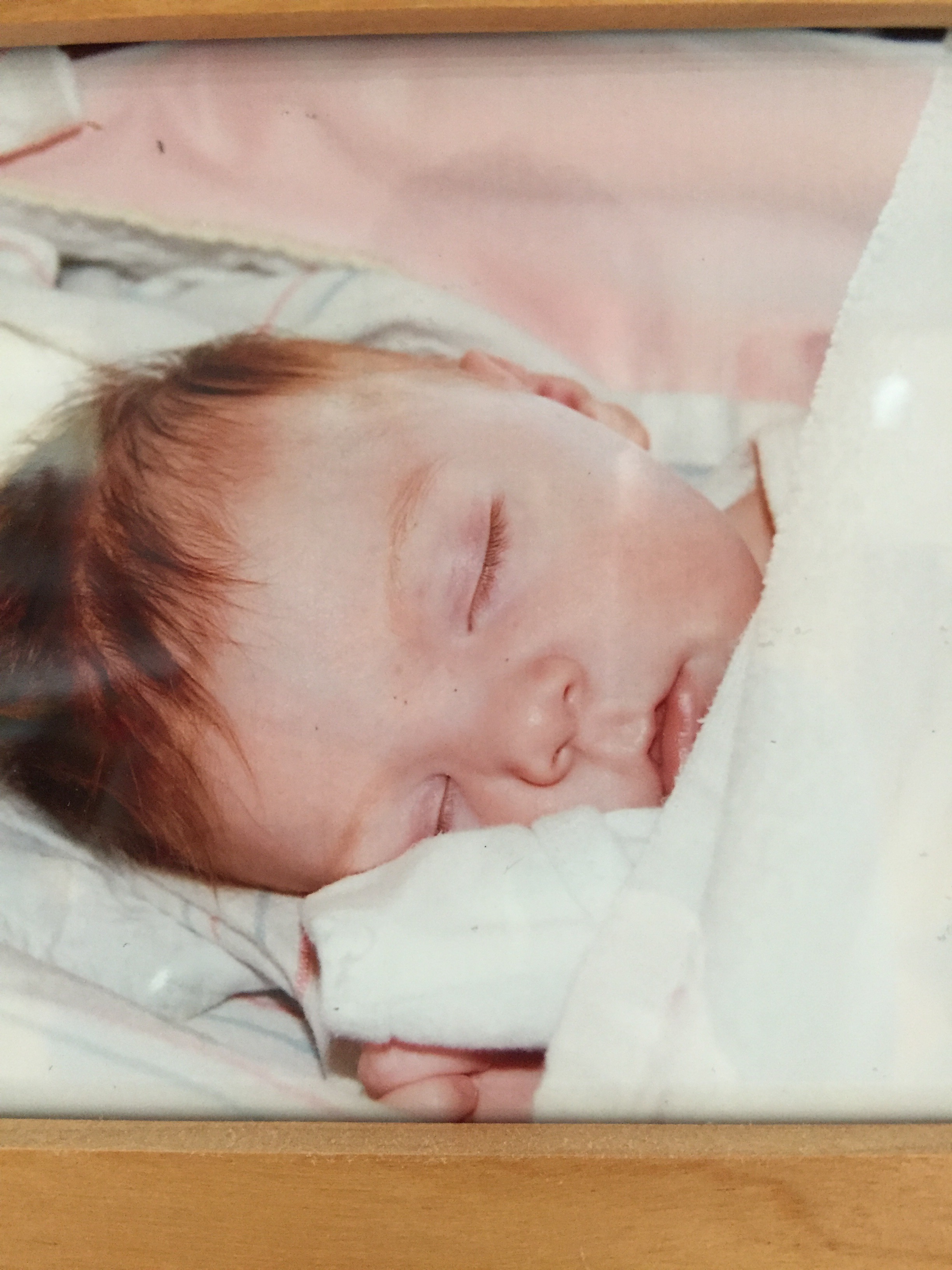
With Bridget, I did not have the chance not to bond. We went from the c-section, to home, to the NICU within 5 days. While I remember snippets of that first year, I remember the fear most of all. That I would lose her, that I would not be smart enough (or caring enough) for her to thrive.
The first five years of Bridget’s life were consumed with those thoughts. We went from one health crisis to another. When her health somewhat stabilized, we then began the education crisis. How did we educate a child, that no one knew what disease she had.
Over her 17 years, there were many moments that broke me. Some just exhaustion. Some moments of foolish fears. Too many IEP meetings and the second guessing if we were making the right educational choices. Watching the Covid pandemic decimate her access to the education system and watching her regress until there was no choice but to put her in a special education school.
More than a few days of wondering if she would survive whatever PACS1 had thrown at her this year. Tethered spinal cord, survived.
Sepsis, survived. Countless hospitalizations and procedures, survived. Three years ago, bilateral Achilles tendon surgery, survived.
All of these memories fade. They become funny stories, like the time I told one surgeon he could give me 5 more minutes since after all, if it wasn’t for Bridget his kids could not afford his kid’s private ski lessons. Or the countless times Bridget hit the emergency button in the elevator (or any bathroom) at Children’s. The creation of the waiting room game. Bridget’s team getting used to my sense of humor and not being shocked when I said she could be special needs but not an asshole.
Then a year ago, PACS1 struck again and more diagnoses entered her life: Catatonia, anxiety and depression. Once again I broke. I thought of all the signs I had missed. I struggled with not only feeling that I once again failed Bridget, but what would have happened if I hadn’t been here to advocate for her.
Treatment started, and honestly in all the years of her life, I have never doubted my chosen course of action more. The first three months were full of emotional breakdowns (not just hers), medication adjustments and looking for any sign that treatment was better than catatonia. If I had not trusted her neurologist, I would have faltered. I would have stopped the treatment. I would not have agreed to patience. Six months in, there was improvement but it was so minimal yet at the same time inspiring to see how hard she was working to come back to us. It was slow, achingly slow progress. Thanks to PACS1, Bridget’s treatment course was not the normal for catatonia (shocker). It was not treat and we are done. It has become one more diagnosis that will not be just her medical history, but something that we will have to treat and monitor for the rest of her life.
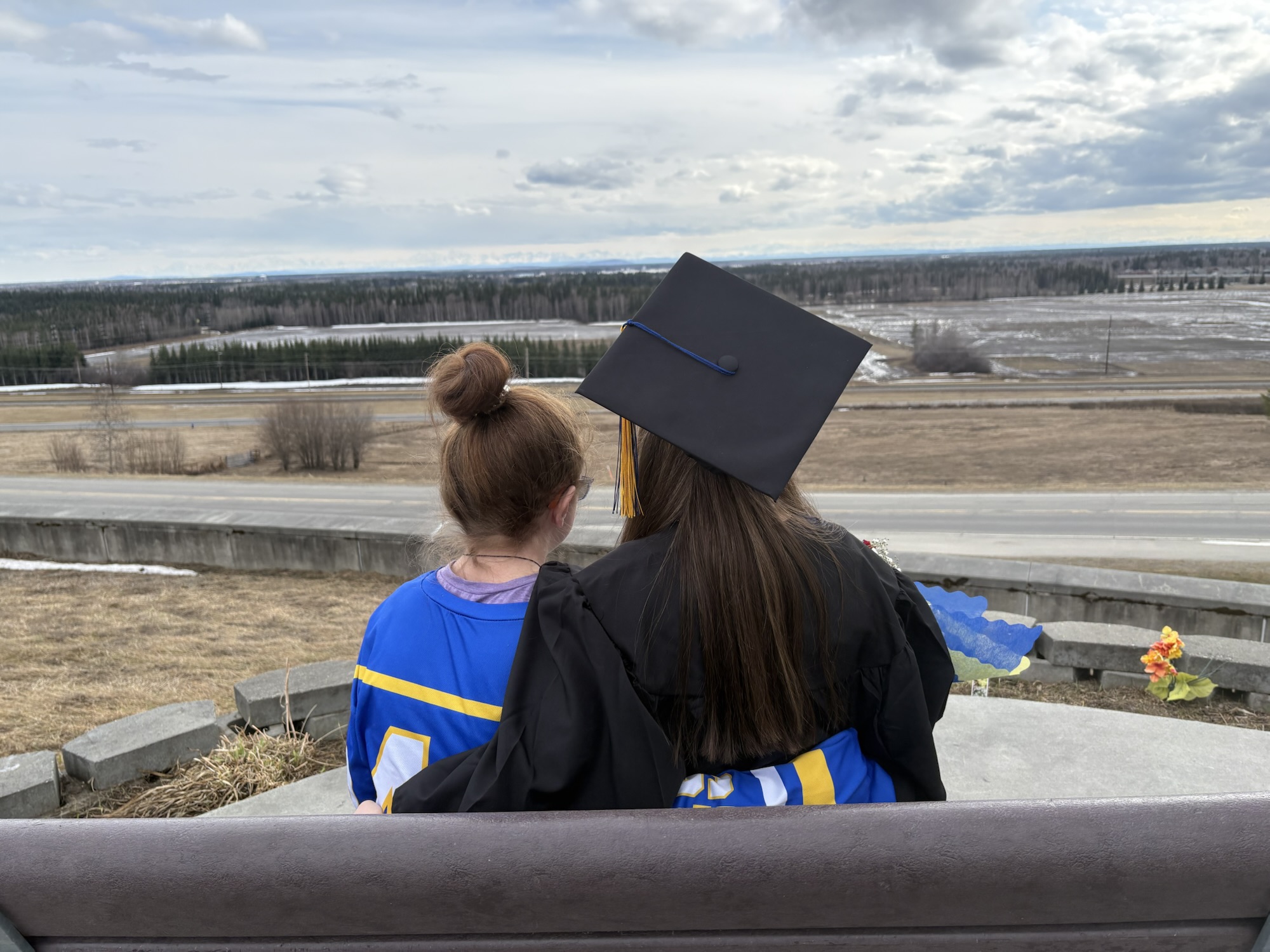
There were sudden signs that Bridget was not only coming back to us, but coming back to the life we fought so hard for. We went to her sister’s graduation and for two weeks Bridget was not hiding in her IPad but going out for meatball subs with her sister and friends. She was not clinging to me, but playing balloon volleyball in a room full of family and new friends. Instead of hiding in the car, Bridget was enjoying the attractions. Bridget was in the center and being her bossy self. She was talking to everyone, not just me.
Last month we started my favorite time of year: camping season. It was then I noticed that Bridget and her team were winning the battle. She was around the campfire, telling stories. Out for dinner and talking to complete strangers.
Catatonia will be a part of Bridget’s life, just as her PACS1, Autism, Intellectually disability and 20 other diagnoses are.
Parenting amnesia, I have discovered is real. It allows us to love our children even when they bring us to our knees. When they inadvertently make us wonder why we ever thought having children was a good idea. Like during Covid when my eldest decided to make candles and almost burned our house down. Or when I questioned why I had Bridget in so much speech therapy if I knew I would be answering the same question of what happens if Sofia wears her shoes to bed, 87 times an hour.
When I look back, the thing that allows me to hope is that Bridget has had a lot of hard moments, but triumphed each time. She has always managed to regain her smile. I know that PACS1 will continue to impact Bridget. A year after this latest scare, I am already succumbing to the amnesia that allows us to love our children no matter what they put us through. I am looking forward to when this becomes a funny anecdote of Bridget’s life story and not the hardest year of my life.
While equally hoping this is Bridget’s last hard year.
When my eldest graduated and went to college, it did not bother me. This was what she was supposed to do. I didn’t compare it to Bridget. I never thought, oh her sister will never. I do that more with Bridget’s peers. The ones that she left behind when I decided to pull her from public school. When I see the postings of her former friends getting their licenses, going to homecoming or prom I will be happy for them, but also think if I did not make the decision to put Bridget in a segregated school, she would have been included. I am sure next year, when her peers are going to senior prom, college tours and graduating, this weekend will hit harder. I am sure there will be moments that I wonder…if only. If only I had left her public school. If only she was typical. If only…
There have been moments, where I have done that with my own girls. It is a little different because of the age difference. If they were closer in age (or Bridget was older) those moments of if only might have been more frequent. With my eldest, I’ve tried really hard not to compare their lives. First, it is unfair to Abbey. I never wanted Abbey to feel like she should not because her sister could not. Second, I am human. So of course there were moments when I thought why won’t you play guitar, don’t get your sister will never? Honestly, I tried but I was not always successful at stopping those wayward thoughts of being sad that one child could and another child would not.
Then high school graduation and college came into our lives.
Everything changed again. But it didn’t hurt. It was complicated. Suddenly my nanny was gone. We had to learn how to live our lives without the added support. We thought how lucky we were that we had that time of being able to escape at a minute’s notice because the sisters were together. We began doing trips as a trio not a quad. We began to see what our lives would be for the rest of our lives. Where we are parents to both a fully functioning adult and a forever preschooler. As the college years went by, less summers were spent at home. As it should be, as any typical college kid would do. Their world expands, while ours stayed constant.
The one thing I worried about, the day we left Abbey at the dorm and drove away was would their bond remain? The girls had been devoted to one another since the moment Abbey visited Bridget in the hospital.
I worried what would happen to their relationship. Bridget refuses to talk on the phone or FaceTime. Would her sister be able to understand her language if she was not constantly exposed? Would Abbey sense a freedom that life without a disabled sibling gives you? Would she begin to put distance between them, not because she did not love her sister but because the world is a very big place and she was just beginning to explore it.
Of course, I should have known better. The minute the girls are in the same space, they are just as attached as they were back in the NICU. Abbey has always known that one day her sister will be her full responsibility. She understands that her life will change (again) once that happens. She did not leave Bridget behind. She is living her best life (as she should) balanced with the love of her sister that is her priority, no matter where in the world she happens to be visiting.
It is quite sweet, watching the girls today and seeing how their love has grown yet remain steadfast all these years. There is no bitterness that one child is living their best life and the other is not. The truth is both girls are living the lives they were meant to live.
The life of two sisters who most would think were on different paths, but instead are living their best lives together even when they are not in the same room.
Loving someone who is a unicorn, mean something in every era of their life. Not the Taylor Swift eras that come with a glam squad, cool lyrics and a fan based made up of more members than families that live with rare disease. For clarity, 1 in every 10 families in America love a family member with a rare disease. One in every 2 people in America love Taylor Swift. No shade on Taylor, but there are approximately 30 million people living with rare disease, compared to the 800 million Swifties.
Though I would venture to say that there are plenty of rare disease people that are also Swifties!
Including Bridget.
When I think of our journey with rare disease, I segregate the eras of Bridget’s life.
There was the Undiagnosed Era. The first six years of her life where we knew “something” was genetically wrong, causing all of her health issues, but not what to call it. I coined the phrase “Bridgetitis” and funnily enough, in Bridget’s early medical records some of her doctors did as well. These years were some of the most difficult. In her first year of life, Bridget had more hospitalizations than she had months lived. In the first six years of her life, she spent more time in a therapy setting than her home. By six years of age, she had already had three surgeries and countless procedures. In reflection, in Bridget’s first six years of life she had been hospitalized more times than our entire family (including aunts, uncles, cousins and grandparents) combined. I think of this era as the most difficult because everything was unknown, we just tried our best to have her survive and thrive.
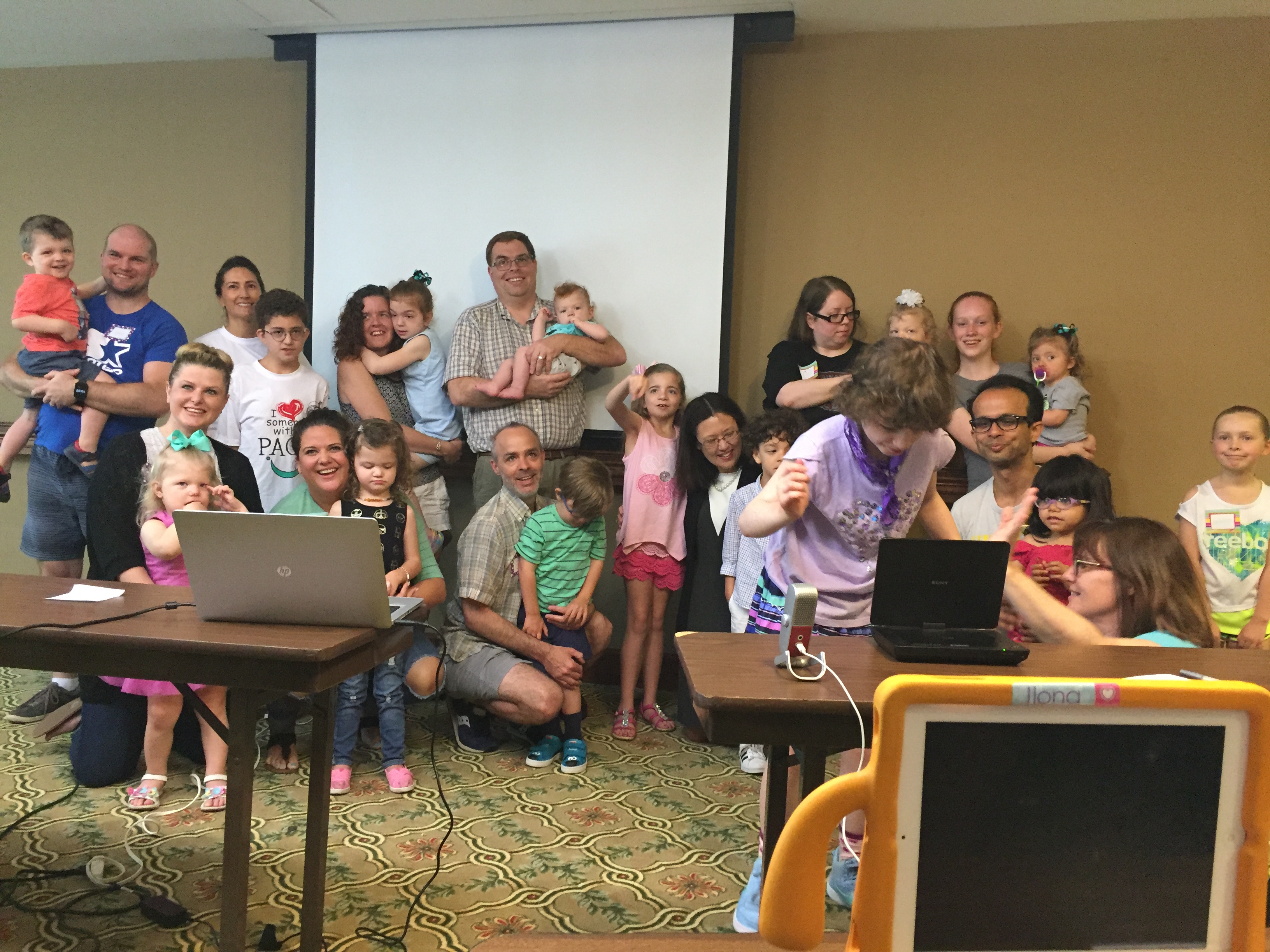
There was the Discovery Era. When we traveled to Georgia based on a recommendation of a reader of this blog, hanging on to a belief that someone, somewhere, was willing to do the testing needed to give us an answer. I will never forget sitting at my desk 3 months after that initial visit getting the news that Bridget had PACS1. Then hearing that no one knows anything about it. I found our PACS1 family during this era. Meeting families from around the world, both online and in person. Sharing our struggles, our tears but most importantly our laughter and love. A non-profit was created out of this love, this dedication to all PACS1 Families. Those newly diagnosed and those long into this life. PACS1 Smiles is about family, discovery and being the advocacy needed for research opportunities.
There was the Public School Era. This was my favorite era. Yes, there were tears. There were struggles with the public school system, trying to define an IEP for a child who could not be defined. More importantly, for Bridget, she was surrounded by peers who advocated for her (once punching a bully in the nose!) and a team of special educators, general educators, paraprofessionals (as much as I hate the term para- because they are not half anything!) and even janitors who not only loved Bridget but cared for her. She was included, she was coddled and most importantly, she was a part of our community.
There was the Covid era. I hated this era, it was the era where we lost everything attached to the public schools, we lost the therapies, we lost her peers. When the therapy centers finally reopened, those that worked so hard to give Bridget the skills she needed to communicate. When the schools finally reopened her peers were tried, but Bridget became the class mascot. The teachers tried, but she had lost so much that she was spending more time out of general education and lost more time making those important peer connections. This is the era when I realized what age 22 would look like and while disheartened, began planning.
There is the Cushing Era. The era when we made the decision to sacrifice my belief in inclusion and realize my dream of Bridget going to homecoming, prom and graduation with her typical peers was my dream but not her reality. While difficult, I truly believe we made the best decision. Bridget is a part of HER community, the community that embraces her differences and finds ways to create a foundation of life beyond the school system. Bridget works so hard at learning vocational skills and safety practices. This decision, the one to remove her from our community but letting her build her own, was difficult but one I have never regretted.
The Guardianship Era. This is an era we are just entering. There are so many conversations we are having with Bridget’s sister about what this era may look like. There are conversations with our State Representatives to demonstrate how convoluted and difficult it is for parents to obtain custody of their suddenly adult children. There are so many decisions, and we have not even fully immersed ourselves yet.
There is the Love Era. This era began the moment Bridget was placed in my arms. The era where even in her darkest moments, she holds my hand. The love she shows to everyone, even a stranger in Market Basket that “needs” to have pop tarts. Bridget loves regardless of color, ability or bloodlines.
She just loves.
This Rare Disease is not something that we volunteered for, we were drafted. While there might be more Swifties than Rare Disease children, they are not only epic but they thrive through every era.
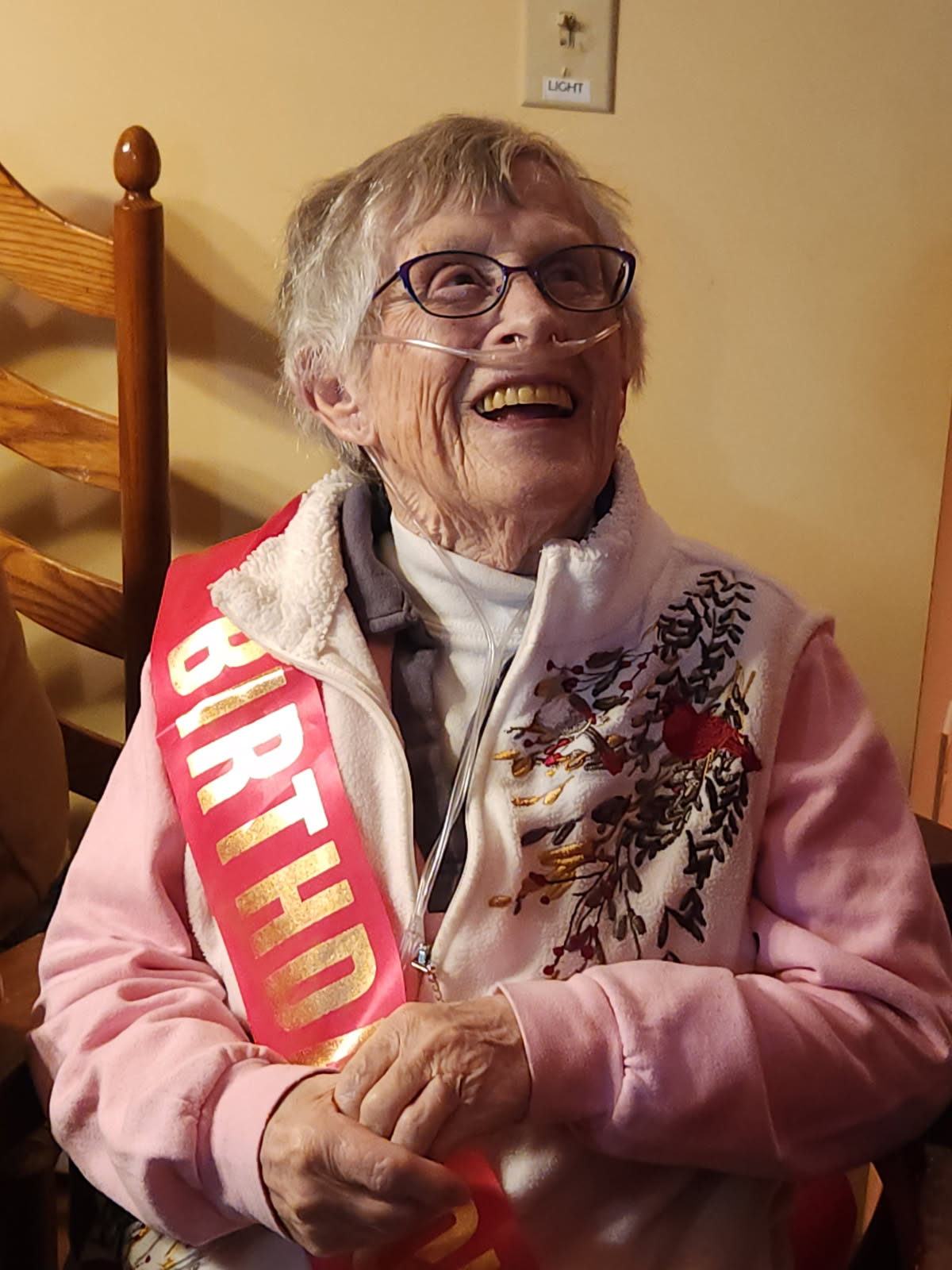
In 2025 we attended one too many celebrations of lives. With my mother-in-law’s birthday on the horizon, I wondered why do we wait until a person has passed to celebrate their impact? I had this idea to celebrate a life well lived, while she is still with us.
Full disclosure, my mother-in-law is healthier and more independent than most 70-year-olds. She lives mostly-independently, will walk a mile to Bingo if her ride cancels and she “doesn’t want to bother” her boys. Make sure you have made yourself right with your maker if you dare to sit in her bingo seat! She attends mahjong at the senior center, frequently kicks my ass a cribbage and while she has had a few health issues this year, at 94-years-young she is still living her best life.
We wanted to celebrate that life, while she was here to enjoy it. A few weeks ago, we held a surprise party (I know, throwing a “surprise” party might be ill-advised) that was attended by almost 70 of her fans from 2 years-old to 80-something. Those who could not attend, called and sent well wishes. She was beyond happy and could not believe “all the young people” who came to see her for her birthday.
At the end of her evening, as we sat around my kitchen with the last few family members and friends that are family, I asked what the most significant event witnessed in all of her years.
This woman was born just after the depression, was witness to WW2, The Korean War, Vietnam Conflict and the multiple wars in the Middle East. She was here for Pearl Harbor and 9/11, both tragedies.
In addition to hardships, my mother-in-law was witness to extreme technological advances. Most of which children of today take for granted. For example, not just having a telephone in your home but in your hand. The same for TV and computers. The invention of the microwave and a man walking on the moon.
She was here for desegregation, the polio vaccine, the creation of Earth Day and the fall of Communisim.
I truly was expecting her to say the invention of the Bingo Hall to be the most significant. Or meeting the man of her dreams. In all seriousness, I expected her to recall some historical nugget.
Instead, her answer was both simple and eloquent:
“When I was 10 years old I was adopted and that is the day I remember the most”
Most of us present knew she was adopted, her family history is something well known in the family and frequently spoken about.
What resonated with me, was that in 94 years her most significant event came down to family.
I have written frequently about my village. How thankful I am for their support of myself and Bridget. I know this life would be so much more difficult if it wasn’t for all of you who read my words, who meet me for a walk (or glass of wine).
Bridget would not have a diagnosis without all of you.
When I think back to Bridget’s 17-years, I am in marvel of the scientific advances that have occurred just in her lifetime. It took her almost 6 years to be diagnosed with a rare genetic syndrome. Twelve years later, children are diagnosed with PACS1 within months of birth.
Had Bridget been born 94 years ago, she would not have survived. Had she grown up in the 1970’s she would not have been educated. Had she been born in the early 2000’s it would have taken so much longer to be diagnosed. The evolutions in medicine, surgeries, special education and therapies have come so far just in her lifetime and beyond infinity in her grandmother’s lifetime.
My hope is that when I am 94 and someone asks me what the most significant event I was witness to in my lifetime I don’t focus on all Bridget has overcome but rather…
The family we have acquired thanks to her diagnosis.
In the end of our days, yes the advances of medicine, technology and world marvels will be important.
But signficant?
My mother-in-law was so right. The most significant event in our lives, if we are lucky, is the family you decide to make your own. Whether it is the family you are born into (and keep), married into (and keep) and in the very best moments the family you decide to make your own.
If you are very lucky, it will be a mixture of all three.
I have always admired my PACS1 friends that have twins. I feel like it was easier for me, especially when the girls were younger, to have 5 years between them. When my eldest was out of the princess phase, it never bothered me that Bridget was not entering it. I have always wondered how those with twins, that had a front row seat to the differences within their children coped.
In my case, having five years between my girls has always made it easier. First, I had a built-in nanny (until she abandoned me to be all adult like and got to college HAHA). Second, at any age, I could reason with the eldest. No, I cannot do X because I am dealing with Y. Thankfully my eldest was never jealous but instead had tremendous empathy for her sister.
Then last weekend I was cleaning out the girls’ rooms. Bridget had not so secretly moved into her sister’s room. I decided to make her old room into a true guest room and began organizing her sister’s things. Trying to determine what I wanted to keep for memories, what she might want, what were things to pass on and what was truly trash-worthy.
Then I came across this, and my heart broke a little.
It made me realize that I would never have this with Bridget.
Bridget’s bedroom is just that, a room with a bed in it. A place she sleeps. A place that is not filled with glitter (okay, thank God for that!), dolls or imagination. Bridget has never played; her sister would play independently for hours. Abby had such a vivid imagination, a sense of play and creativity.
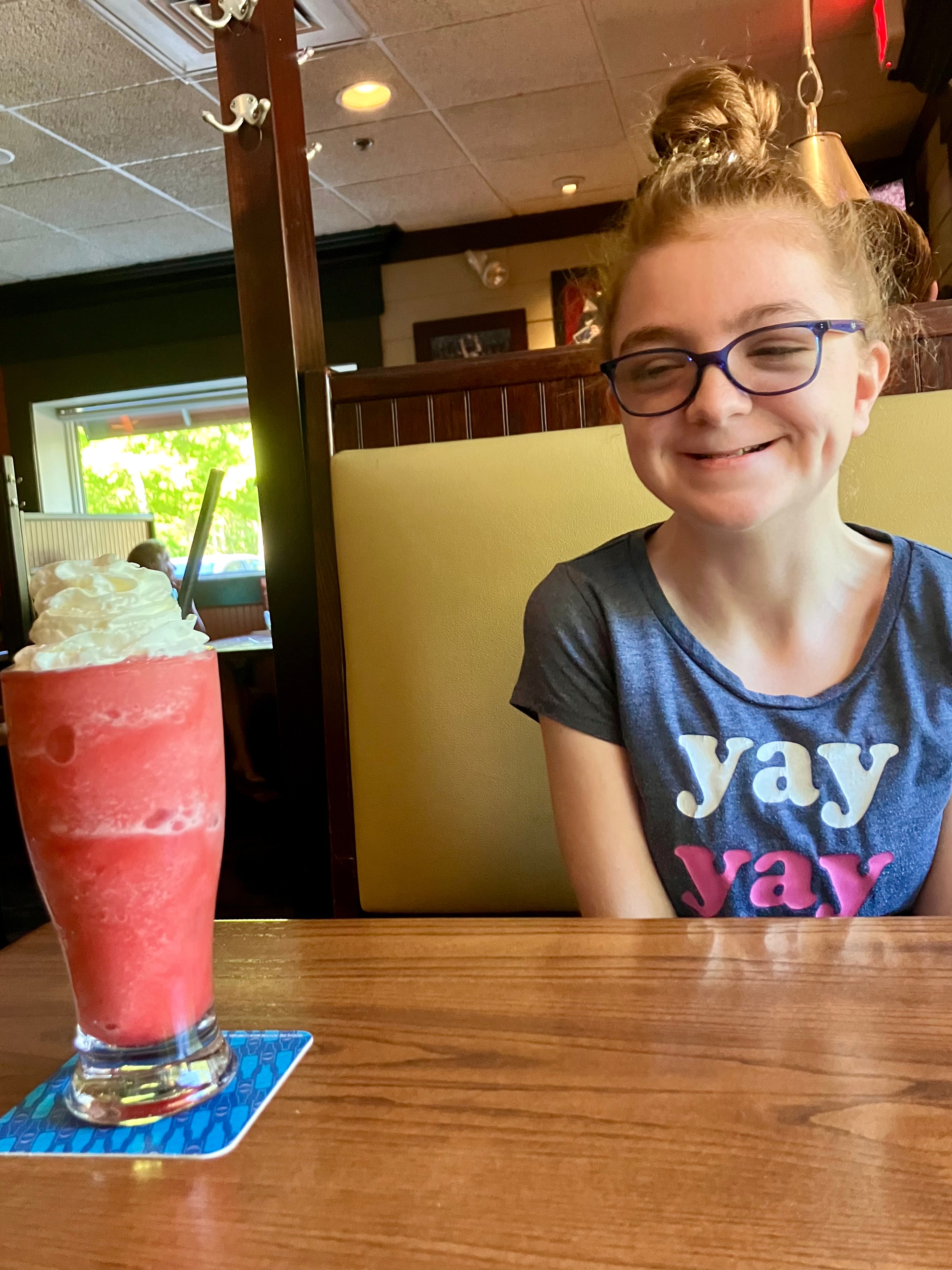
Bridget finds joy in other things, mostly Dunkin Donuts, dinner at the 99, strawberry daiquiris and her IPad.
And that is fine, because in each case both of my daughters are happy. Honestly, I love the 99 so that isn’t a hardship.
In moments like these, where I am remembering where Abby was at 12yrs old and how she is now in her 20’s living her very best life that it is so very different than her sister’s will ever be. That she got to not only graduate high school but choose to go to a college so far away that I have to wonder why she chose to leave the sandbar for the iceberg.
There are days where it is so much easier with Bridget, if I am being honest. Unlike with her sister at 16, there is definite teenage odor, but there is no eye roll. My car insurance has not gone up, since Bridget isn’t getting her permit. I won’t have to pay for college or worry about prom night.
But there are days, like when I go down memory lane, that I wish for just a moment that I had to worry about Bridget getting into the college of her choice
Throughout Bridget’s life, while I may not always be Kerri-Sunshine, it has been actually easy to be Bridget’s mom. There have been well documented posts when that has not been the case, but in reality, those moments are blips within her life time.
When I look back over her 17 years, the moments that have brought me to my knees have been far less than the moments that have allowed me to let her live this best life. In honor of Bridget’s 17th birthday, I am sharing the 17 best things about being Bridget’s mom.
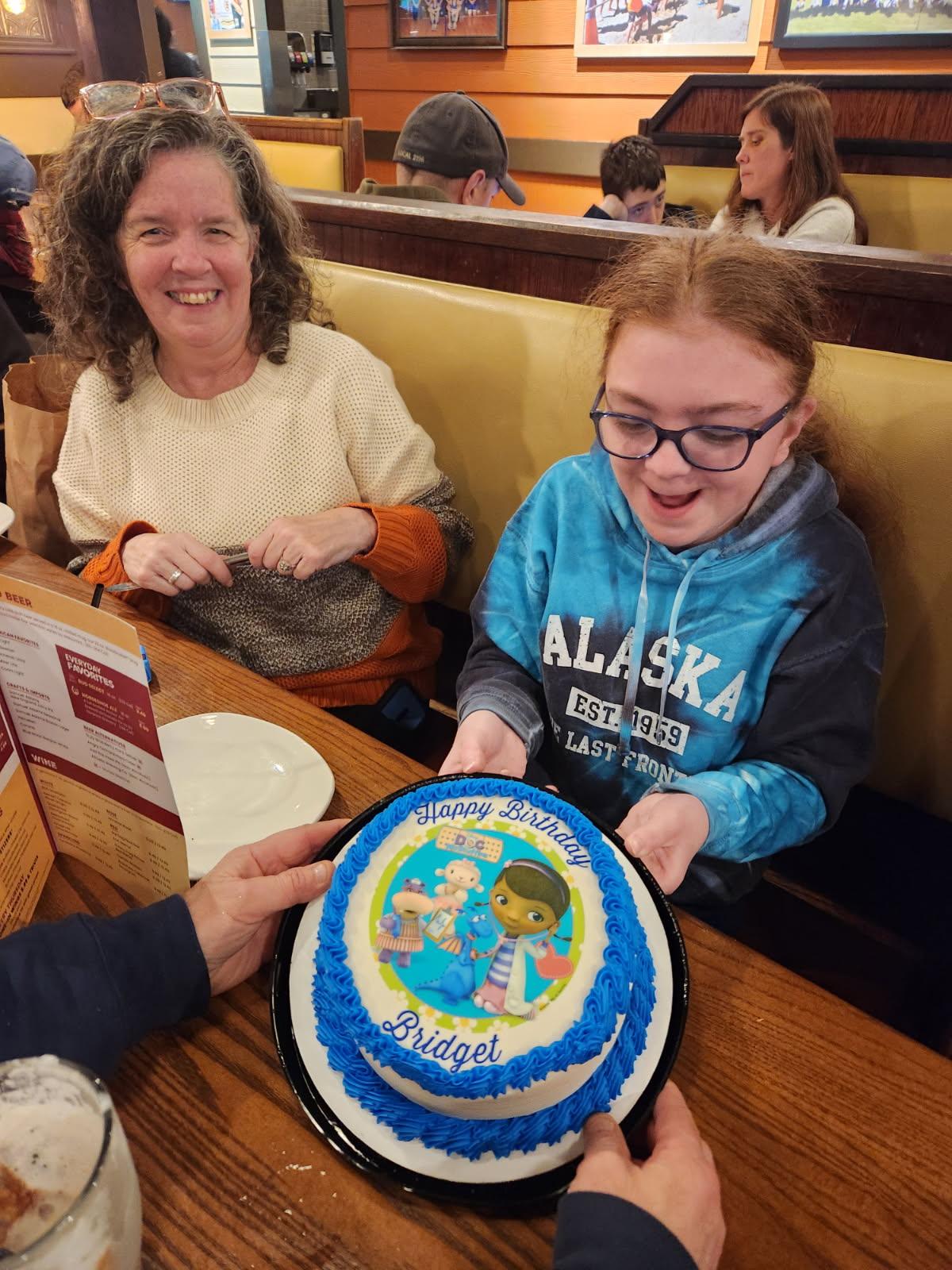
On her 17th birthday all she wanted was dinner at the 99 restaurants, with her strawberry daiquiri and Doc McStuffins Cake.
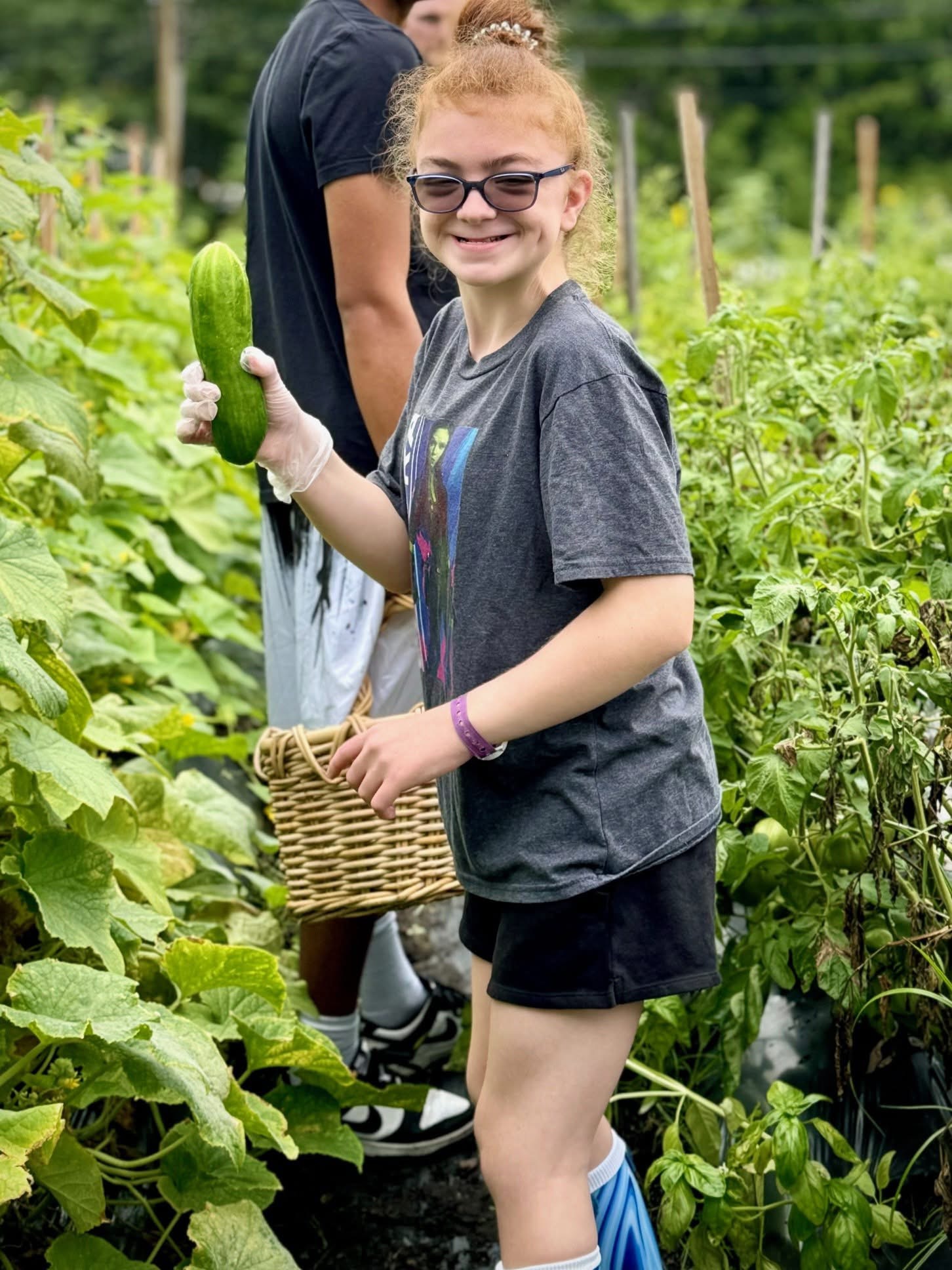
The joy she has working in her school’s greenhouse. Since her dad and I are not green thumbs, nor do we enjoy yard work, we have no idea why she loves this vocational site so much. We are just thankful it exists in her world.
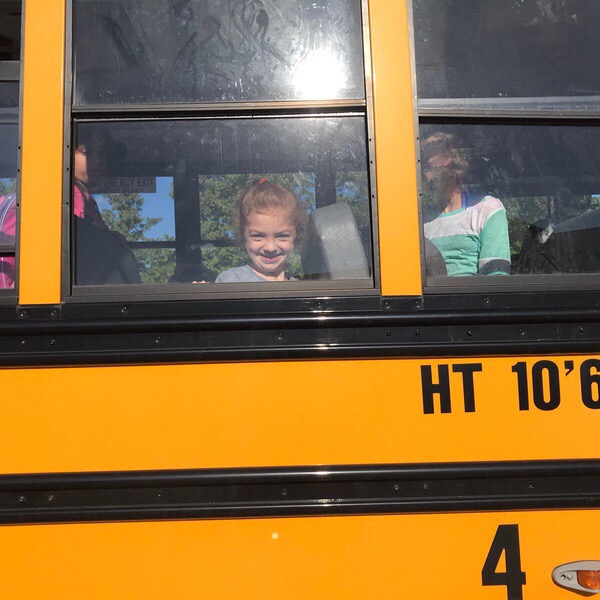
When in the public school, she learned how to ride big yellow school bus with her friends.
Her love of camping and kayaking.
The bond she has with her sister.
She learned to jump and swing.
No matter how many times she has had to go to Children’s for painful procedures, she has always walked in with a smile. Also, that she has stopped pushing the emergency stop buttons in the elevator.
She talks! Sometimes we need context or she needs us to help her translate to someone what she is talking about, but the girl who would never, frequently convinces strangers in Market Basket that they need PINK pop tarts
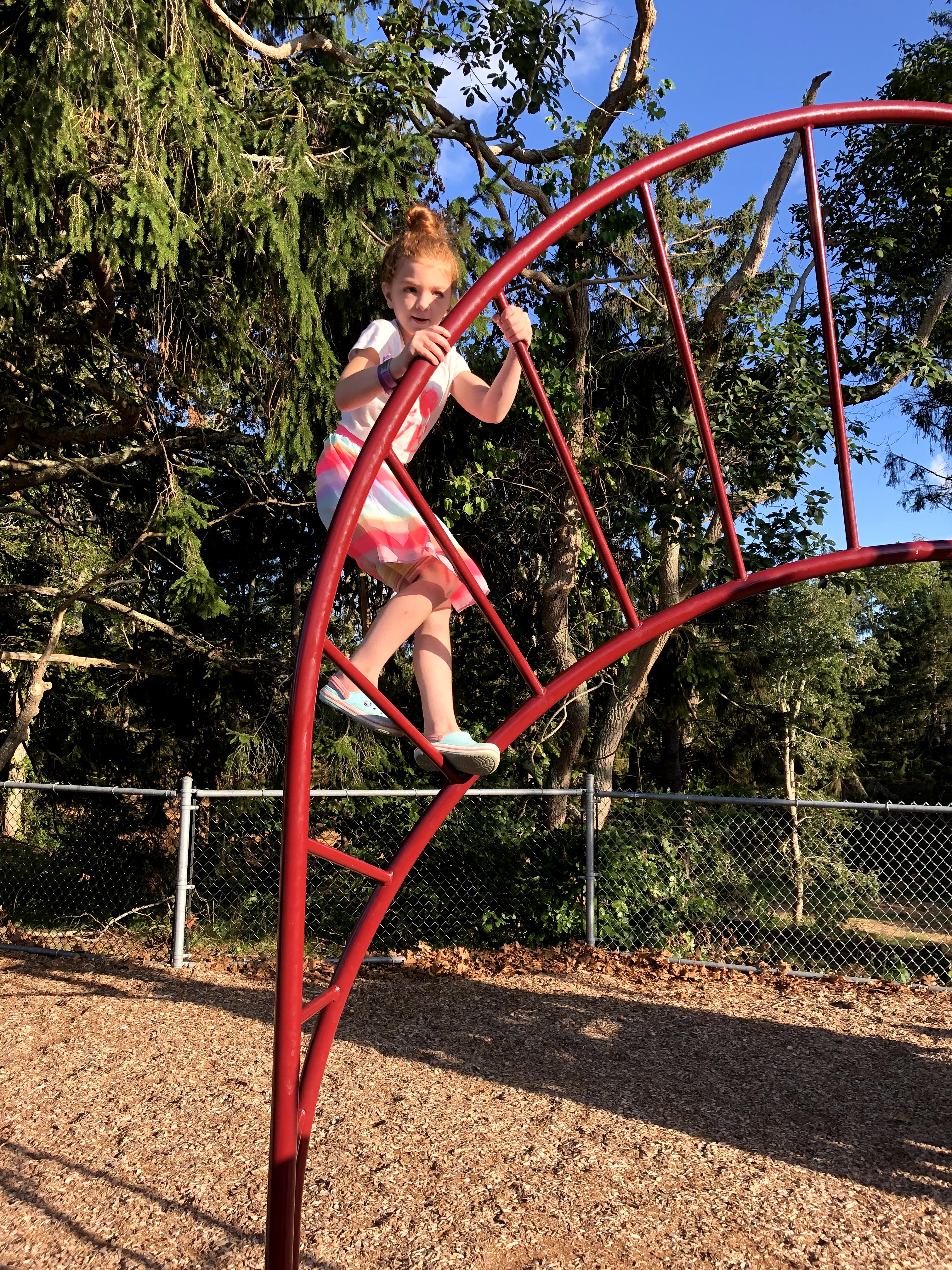
The girl would never has rolled over and jumped, she swims and climbs!
After spending her toddler years in feeding therapy, she not only loves to eat but to bake and cook.
Her sense of fashion. For a time, it was dresses, then sparkly shoes and now as a girl after my own heart: wearing her Bruins jersey. Everywhere!
Bridget is the best travel companion. She is up for any road trip, brings a bag of snacks and has hardly any bathroom breaks. She offers random hugs and notices things like the sunset or that there is a Dunkin coming up. She doesn’t even mind sleeping in the car or a random parking lot if we are arriving before our reservation time. Though you do have to convince her that she cannot be in the drivers seat!
The girl loves to camp. She would spend her year camping, if we let her. I hope it is because we are all together. But if I were being honest, it would probably be because there is usually a pool nearby.
Bridget is so kind and funny. She has, since pre-k, developed friendships both with her peers and her educational/therapeutic team. Her friendships look different from those her numerological age and those her developmental age. Yet, they are so similar. The joy they have within those friendships remains the same. The friends she left behind when we transferred her out of the traditional school system will still greet her with a smile and a hug. She makes people laugh.
Bridget is not perfect, and I am not talking about her health issues. She is stubborn. She is sometimes disrespectful. She will try to avoid hard things. She will slam doors and refuse to do chores. She cheats at Candy Land and tries to at Uno. How awesome is it that she is a typical teenager in all the best ways possible.
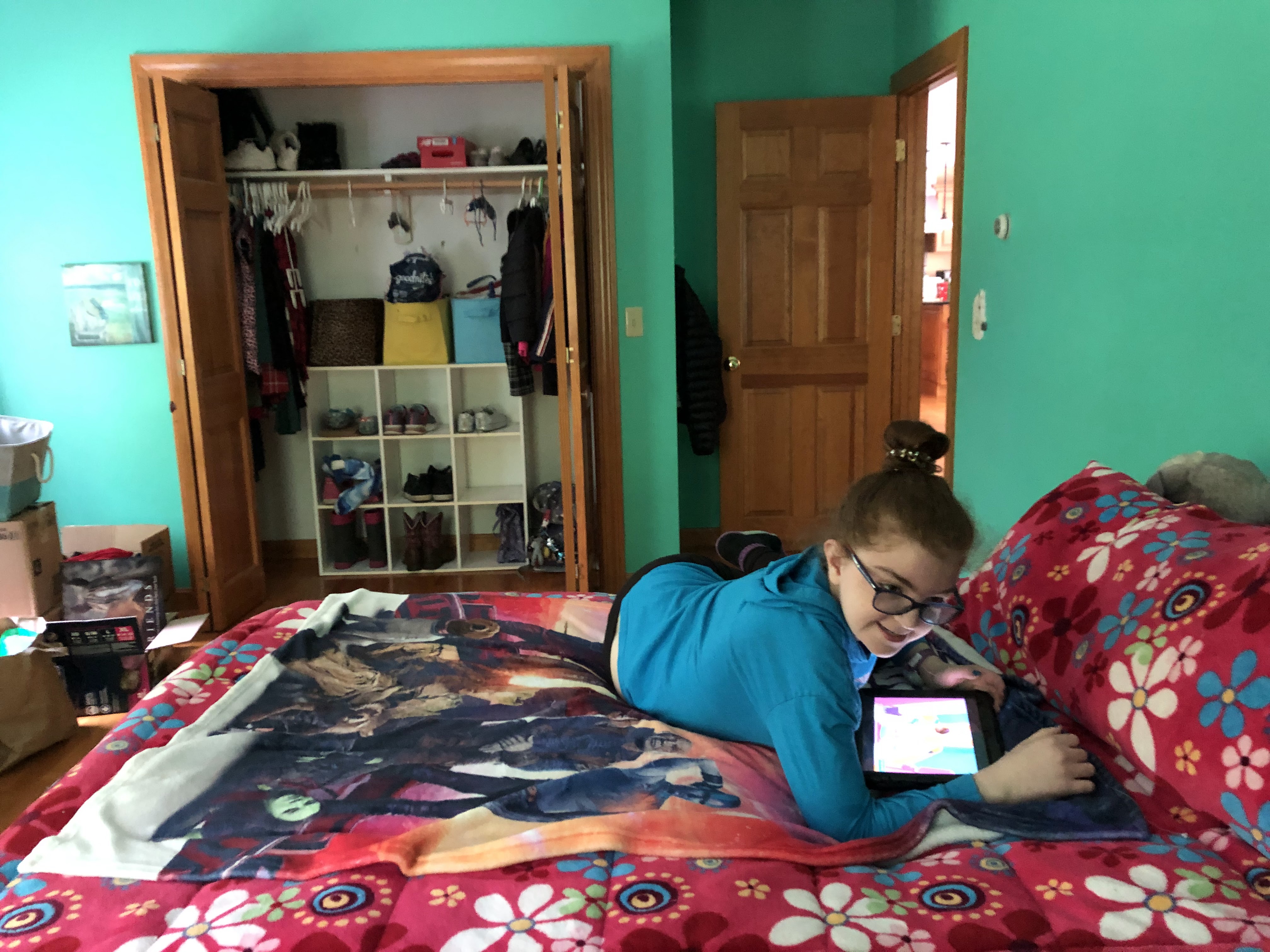
Bridget has so many moments where I am wondering how she did that? I know it is sheer determination. For example, the day she took over her sister’s bedroom. She not only moved everything she did not want into another room, but she also moved all of her bedding and special things into Abbey’s room. When she was younger, she used to move all of our furniture into different rooms in some kind of fen shui. She has such determination and a way to make things work, for her (not always for anyone else).
Just months before her first birthday, we were told Bridget would never amount to anything. She would never roll over, have a quality of life, speak or walk. I don’t know how much she heard or understood, but she seems to have taken on that challenge and has decided to tell the world just let me show you what I can do next. She has climbed mountains, both figuratively and literally since that prognosis.
She has amazed me every single day of her 17 years. I know the next 17 years there will be moments that bring me to my knees, send a WTF I CANNOT DO THIS ANYMORE text to my village. And they will remind me that not only can I do this, but Bridget will also triumph over any obstacle PACS1 puts in her way.
Happy 17th birthday, my sweet Bridget. Thank you for choosing me to be your mom. Thank you for teaching me every day, that yes there are hard moments but there are so many moments of joy.
Even if we are climbing the mountain, you are always holding my hand.
One of the things I am most thankful for in this unexpected life is the parents that are willing to share their stories, their IEPs, their tricks, knowledge and experiences. That is part of why I continue to write this blog. Even if it embarrasses my eldest and I’ve been told that “no one blogs anymore.”
Without this blog I never would have found the doctor who after an almost 6-year search, was able to diagnose Bridget with PACS1. Without ingenious therapists who were open to me saying, “a reader told me about this” and trying every therapy possible, Bridget may never have ridden the big yellow school bus.
This is why it is so important that we share our institutional knowledge about this unexpected journey. Just as when parents would share their IEPs in the therapy waiting room, now we are sharing what happens to our adult children as we begin to experience a whole new level of learning.
I always “knew” that before Bridget’s 18th birthday we will have to file for guardianship of her. What I recently learned, thanks to that parenting network, is that there are different types of guardianship and each type has different ramifications.
Mistakenly, I always thought guardianship was kept the status quo. That it was, while legally binding, a foolish piece of paper that just allowed us to keep being Bridget’s caregivers. I did not even realize there are types of guardianship and the implications each one represents.
**Warning I am not a legal professional; this is just information as I have understood/internalized it. If you have a better understanding of this very complicated issue, please let me know! ***
There is the typical guardianship, where I will be appointed ruler of all things Bridget. I will be responsible for her finances, health care, where she will live and every decision big and small. Bridget will technically have no input or ability to counter my decisions. Here is the wrinkle I just learned. Bridget will never be allowed to marry, without Court approval. Now, that is not even something on my radar. Yet I know that a lot of parents hope for this, that their child does have the mental capacity to fall in love.
I recently learned there is another type of guardianship where the parent works with their child in making decisions. Decisions are made to foster independence (which of course, the full guardian wants as well). From my readings, it offers Bridget the choices and input in the decisions her dad and I may make for her. More importantly, she is the driver rather than the passenger. She has the ultimate decision-making power; be it get married or have a procedure. While I am still learning about this type of guardianship, what I know is that for us this is not going to be an option. And not just because I am a control freak.
We also have to consider that we are aging, and most likely Bridget will outlive us. We had to really think about who will care for her in our absence. Her sister has always known that she will one day care for Bridget. Yet we don’t want Abbey to stop living her best life, traveling the world and in her era of saying “yes” to the next adventure.
Until Bridget is 22 years old, she cannot move out of our town, or she jeopardizes her school placement, something else I just learned through the parenting network. Whomever becomes her guardian, must relocate their entire lives to accommodate her needs.
Not only do Bridget’s next caregivers have to rearrange their lives, they have to learn not only all things Bridget but all things in relation to caring for a forever 4-year-old.
My hope is that this fantastic parenting network we have found continues to offer a guiding light to not just to us but to everyone in Bridget’s village.
I write and believe there are a lot of times my life as a special needs mom is the same as my role as a typical mom.
While I believe in those times, there are so many times when my neurotypical mom role with my oldest is so divergent as my role as Bridget’s mom
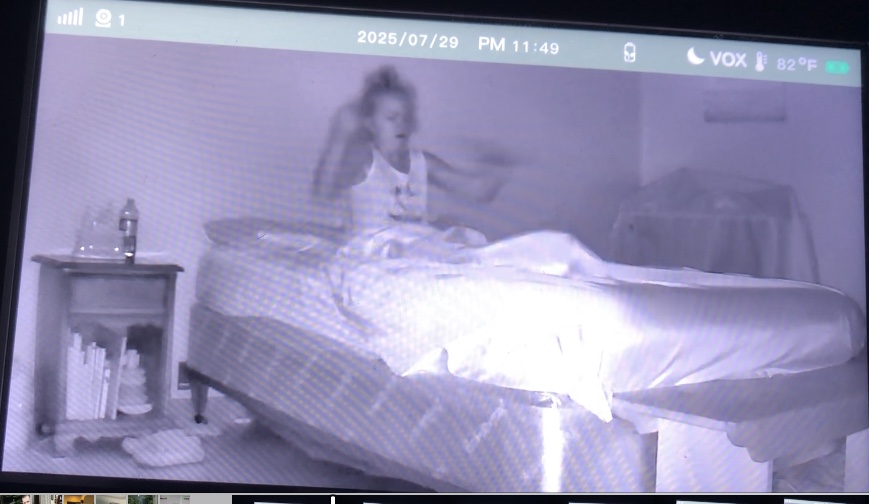
I’m sitting here at 9pm with a baby monitor next to me because I have to watch her for stimming, check in if she needs the bathroom and when the monitor goes off at 1am to make sure she’s not out of bed getting her iPad
Screenshot
Unlike my eldest, I have full control of Bridget’s medical chart and finances
When my eldest was 16y old she got home after school by herself. With Bridget I rush home from work to meet the SPED van that doesn’t call me when two children are out that day so she will be dropped off 30 minutes ahead if schedule
When my eldest was 16 I left her home with Bridget while I was at a work conference in Vegas. For the weekend. I cannot leave Bridget home long enough to go to the grocery store
When my eldest went to college I should’ve been an empty nester. With Bridget that will never be a phase in my life.
This is all okay, honestly. It is okay that Bridget is living a different life than her sister. As much as I like to focus on the similarities, rather than the differences, I also know that it is important to remember that they are different.