Tag Archives: hope

The Parenting Network

One of the things I am most thankful for in this unexpected life is the parents that are willing to share their stories, their IEPs, their tricks, knowledge and experiences. That is part of why I continue to write this blog. Even if it embarrasses my eldest and I’ve been told that “no one blogs anymore.”

Without this blog I never would have found the doctor who after an almost 6-year search, was able to diagnose Bridget with PACS1. Without ingenious therapists who were open to me saying, “a reader told me about this” and trying every therapy possible, Bridget may never have ridden the big yellow school bus.

This is why it is so important that we share our institutional knowledge about this unexpected journey. Just as when parents would share their IEPs in the therapy waiting room, now we are sharing what happens to our adult children as we begin to experience a whole new level of learning.

I always “knew” that before Bridget’s 18th birthday we will have to file for guardianship of her. What I recently learned, thanks to that parenting network, is that there are different types of guardianship and each type has different ramifications.

Mistakenly, I always thought guardianship was kept the status quo. That it was, while legally binding, a foolish piece of paper that just allowed us to keep being Bridget’s caregivers. I did not even realize there are types of guardianship and the implications each one represents.

**Warning I am not a legal professional; this is just information as I have understood/internalized it. If you have a better understanding of this very complicated issue, please let me know! ***

There is the typical guardianship, where I will be appointed ruler of all things Bridget. I will be responsible for her finances, health care, where she will live and every decision big and small. Bridget will technically have no input or ability to counter my decisions. Here is the wrinkle I just learned. Bridget will never be allowed to marry, without Court approval. Now, that is not even something on my radar. Yet I know that a lot of parents hope for this, that their child does have the mental capacity to fall in love.

I recently learned there is another type of guardianship where the parent works with their child in making decisions. Decisions are made to foster independence (which of course, the full guardian wants as well). From my readings, it offers Bridget the choices and input in the decisions her dad and I may make for her. More importantly, she is the driver rather than the passenger. She has the ultimate decision-making power; be it get married or have a procedure. While I am still learning about this type of guardianship, what I know is that for us this is not going to be an option. And not just because I am a control freak.

We also have to consider that we are aging, and most likely Bridget will outlive us. We had to really think about who will care for her in our absence. Her sister has always known that she will one day care for Bridget. Yet we don’t want Abbey to stop living her best life, traveling the world and in her era of saying “yes” to the next adventure.

Until Bridget is 22 years old, she cannot move out of our town, or she jeopardizes her school placement, something else I just learned through the parenting network. Whomever becomes her guardian, must relocate their entire lives to accommodate her needs.

Not only do Bridget’s next caregivers have to rearrange their lives, they have to learn not only all things Bridget but all things in relation to caring for a forever 4-year-old.

My hope is that this fantastic parenting network we have found continues to offer a guiding light to not just to us but to everyone in Bridget’s village.
The rules keep changing

When your child is diagnosed for the first 5 years of their life with “we know there is something genetically wrong, but not what.” Then you finally get a diagnosis, and you are told it is a genetic disease so rare they don’t know what PACS1 is, but she has it! You learn that parents are your best go-to for information.

Even before Bridget was diagnosed, her therapies were trial and error. I found more information from sharing with other parents in the waiting room what worked for their child and what might benefit my own.

Bridget does not age out of the school system, but already I am learning that I need to be aware of how things change, even before I am ready. For example, we were always that a child of Children’s Hospital is always a patient there. Yet across the country that is changing.

I never imaged that she would age out of her healthcare system.

Which makes sense when I think logically about it. A pediatric cardiologist knows the pediatric heart. They are not trained in the heart conditions and complications of a 40-year-old. This is devastating to the parent who has been cocooned in the bubble wrap of a children’s hospital where their child has been a patient since the NICU. While the adult physician might be the best to diagnose and treat her non-pediatric body, that doctor has no idea how to interact with her 4-year-old mind. This has proven true any time I have taken Bridget to a local doctor, be it an optometrist or an emergency room doctor and nurse.

The adult provider is just not trained in the pediatric mind. Just as the pediatric gastroenterologist is not trained in the adult digestive system.

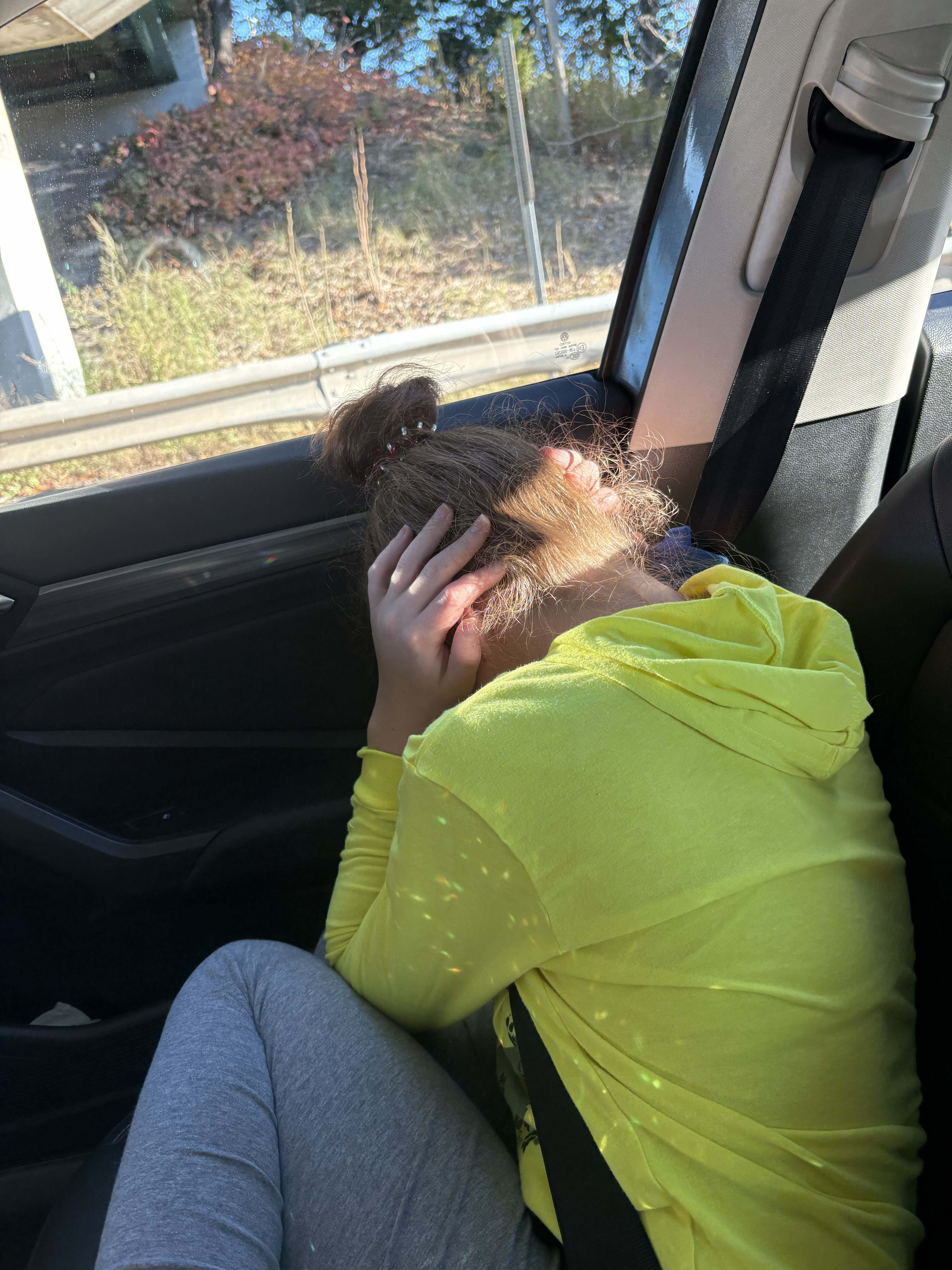
Even the waiting rooms are not equipped to treat children soon to be adults like Bridget. For example, last month we were in the waiting room at Children’s Hospital. Bridget was having a VERY difficult time. She was in full meltdown mode. Hitting me, while alternatively hugging me. Crying and sobbing after spending almost 4 hours in traffic trying to get to a 15-minute appointment with her favorite GI.

Bridget after 3.5 hours in Boston Traffic

The team at Children’s did not embarrass us, they did not judge us. Instead, they quietly approached and said, “Bridget’s mom, we opened up an exam room for you. We can do her vitals in a quiet space for her to wait for Dr. Rosen”.

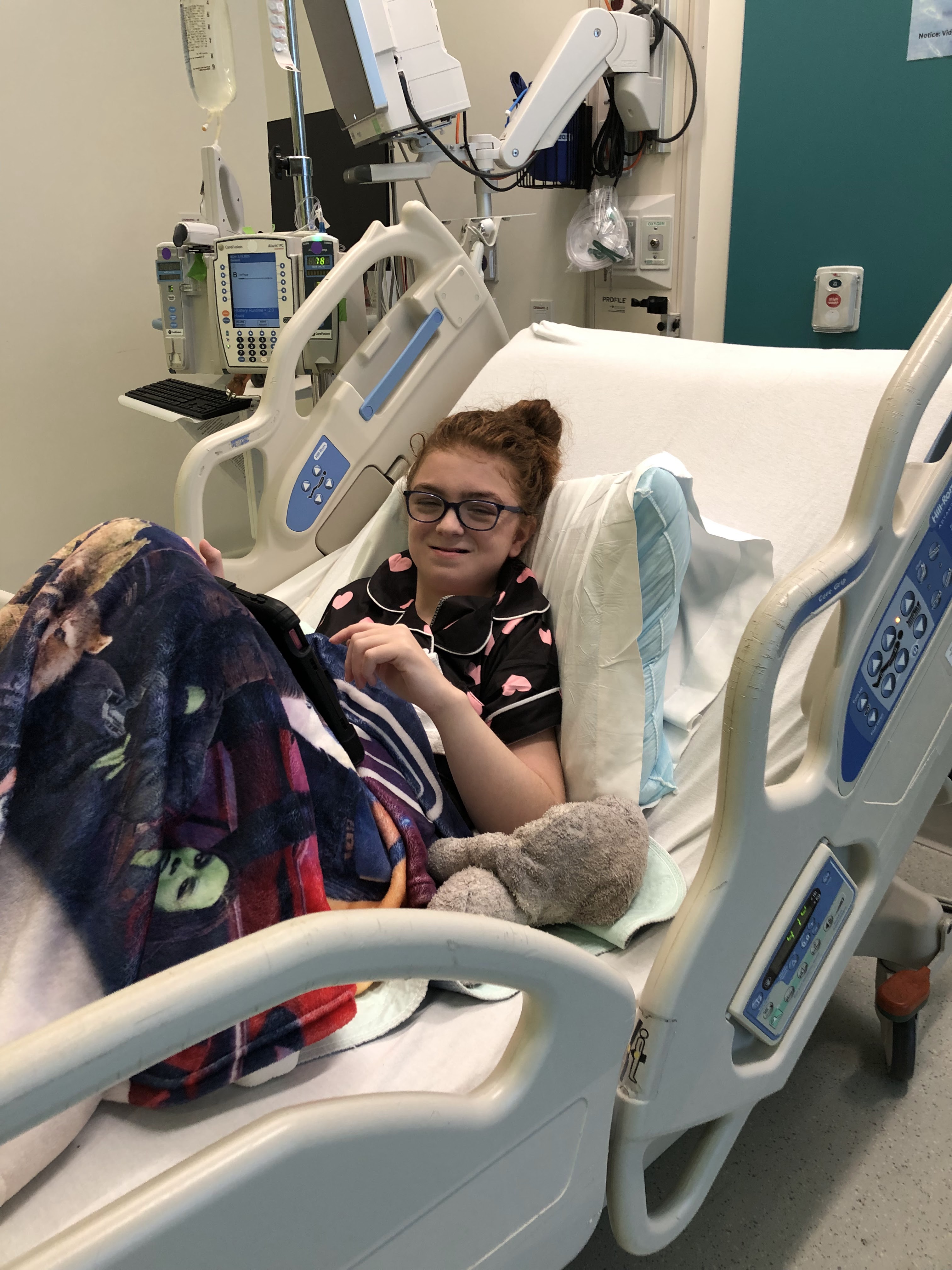
Over the summer, when Bridget was adjusting to the catatonia medications, there was an issue obtaining her Ativan. The pharmacy told me “She could not miss the medication without serious complications”. Told me to go to our local ER and explain the medication need. Bridget was having such a difficult time anyway, now we were entering a crowded ER with a triage nurse that was all done with her day. Instead of seeing a child in crisis, she saw a 16-year-old out of control and basically told us they could not help.

There was no empathy (yes, I lodged a complaint with the hospital). There was no understanding that this is not just a teenager who was abusing her mom but was having a serious medical issue that her 4-year-old brain could not understand.

On a less serious note, about 3 years ago we took Bridget to a local ophthalmologist for a routine eye exam. The waiting room was fine. The exam room? Not so much. The doctor is great with teens; we had taken Bridget’s older sister to this same doctor.

But the doctor, while trained on the eyes has never encountered a child with Bridget’s profile before.

Quite simply, adult doctors have not been trained or exposed to those with intellectual disabilities (to my knowledge and recent experiences).

Whereas those of us lucky enough to have been cared for by Boston Children’s Hospital have been spoiled. We have had doctors since birth, or in the most recent case of Bridget’s latest PACS1 complication treated by physicians, nurse practitioners, fellows, lab techs, nurses and even cafeteria workers who look at our children as persons in need of empathy and care.

From janitors to doctors, we have been treated humanely.

I think I speak for all parents whose children have intellectual disabilities and complex care issues that we are terrified of this relatively new change in our children’s healthcare.

This is not simply leaving a pediatrician for an adult primary care provider.

This is leaving home and ending up in a country where no one speaks your language.

Thankfully we have 5 more years, but as every doctor Bridget has seen this fall has already started the conversation about transitioning to adult care, I am not confident that we have those 5 years.

As I talk with parents around the country, I know this is not just happening in Boston but nationwide.

And that is frightening for all of us

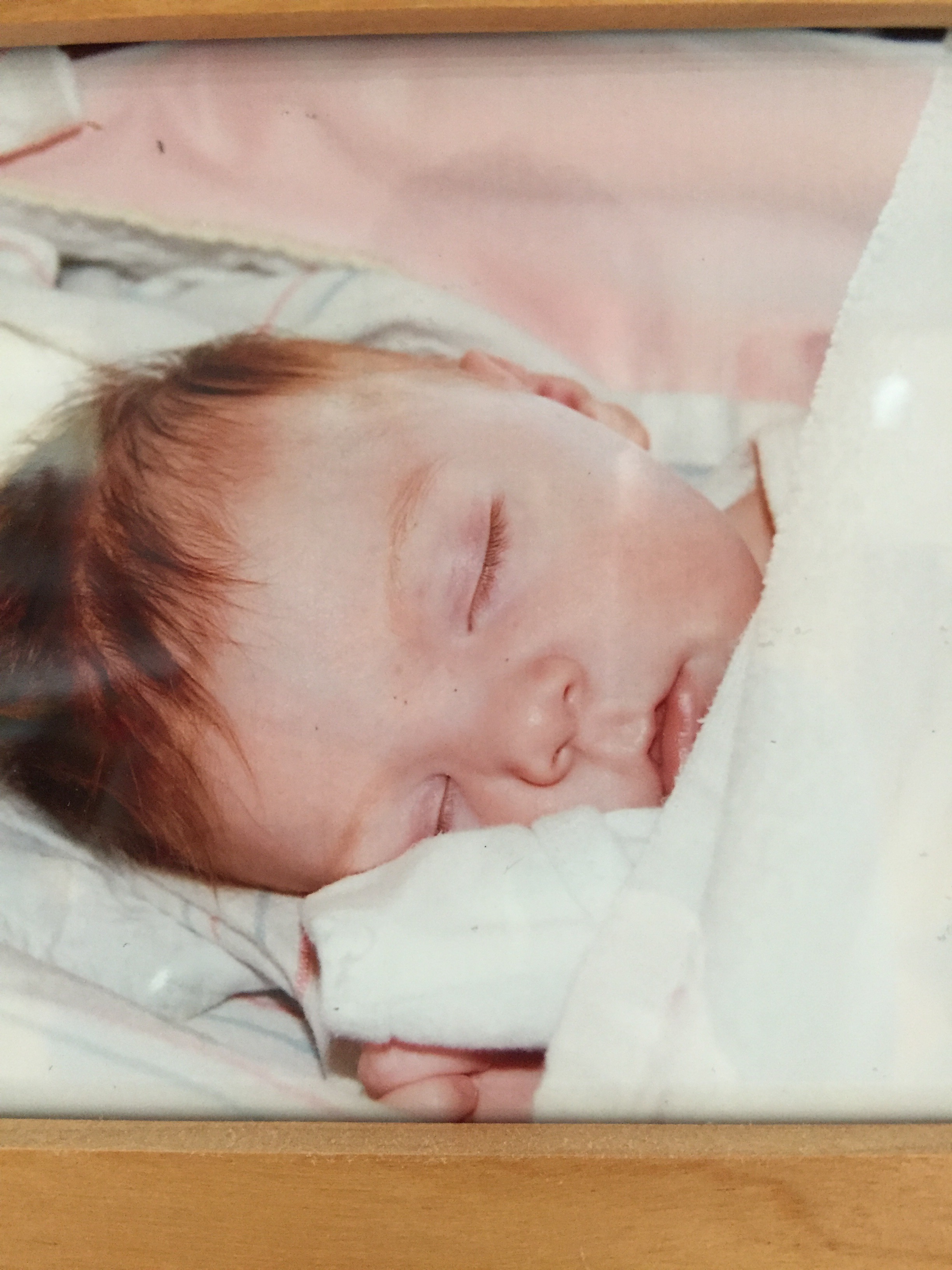
From one week old to 16 years old, Children’s has been our safe place, my hope is that in the next 5 years, whomever started this trend realizes the impact on our families and truly designs a plan for our families.

Kindergarten doesn’t start for another 5 days and I already hate it.

At the beginning of the summer I finally came to a sense of peace that Kindergarten was going to be okay. Yes, we would be leaving the cocoon of safety we had for four years. My reservations were being replaced by cautious enthusiasm that Bridget would be starting kindergarten in a few weeks. Then it happened. I was smacked in the head (again) that this would not be the easy transition I hoped. Continue reading

My brave friend Divya

When I joined the LTYM Boston cast I had no idea the breadth of stories that would be told. Allow me to introduce you to my friend, Divya. (Four Kleenex warning, but a must watch) I am honored that she is allowing me to share her piece.

I remember when I met Divya she said she “wasn’t a writer”. She is so much more than a writer, Divya gorgeous from her spirit outwards, a mom of two wonderful children, a postpartum depression advocate working diligently to make sure all women have the tools needed to triumph  and (my hero) helped to create a state-funded perinatal program to help other new moms in need of support. Divya is co-founder of the Every Mother Project that provides much needed training and support to professionals to increase availability of care to women in perinatal crisis.

To learn more about her program please visit: The Every Mother Project

Thank you, Divya, for allowing me to share your piece.