
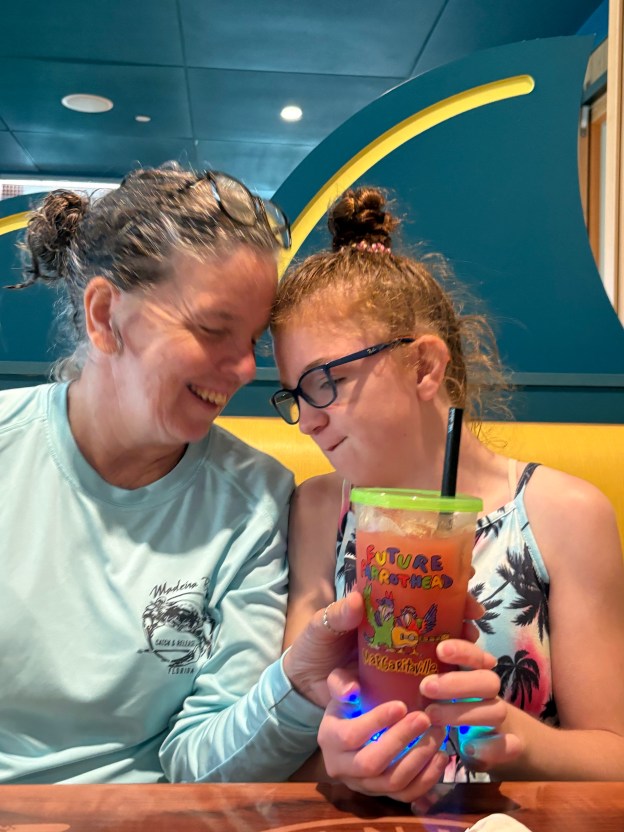
Last year was one of the most difficult years of my life with Bridget. The diagnosis of catatonia came with an inpatient drug treatment, followed by almost 8 months of titrating drugs up and down, adding medications, weaning off medications and having to trust the medical professionals that they knew more than I did.
In Massachusetts we had a tragedy a few years ago where a mom murdered her three children and then attempted to kill herself. Her case is currently underway in our Courts and being played out nationally on the news and social media. I have been hesitant to “join the bandwagon” because her case is currently a criminal case, not a civil one.
I am not writing about her guilt or innocence. I am not writing about if she was criminally responsible or not due to mental illness.
I am writing because the some drugs Lindsay Clancy were on are the drugs that Bridget was treated with over the past 14 months. The drugs that had me pulling over on the side of the road, because Bridget was so out of control that she was ramming her head against the side window of the car.
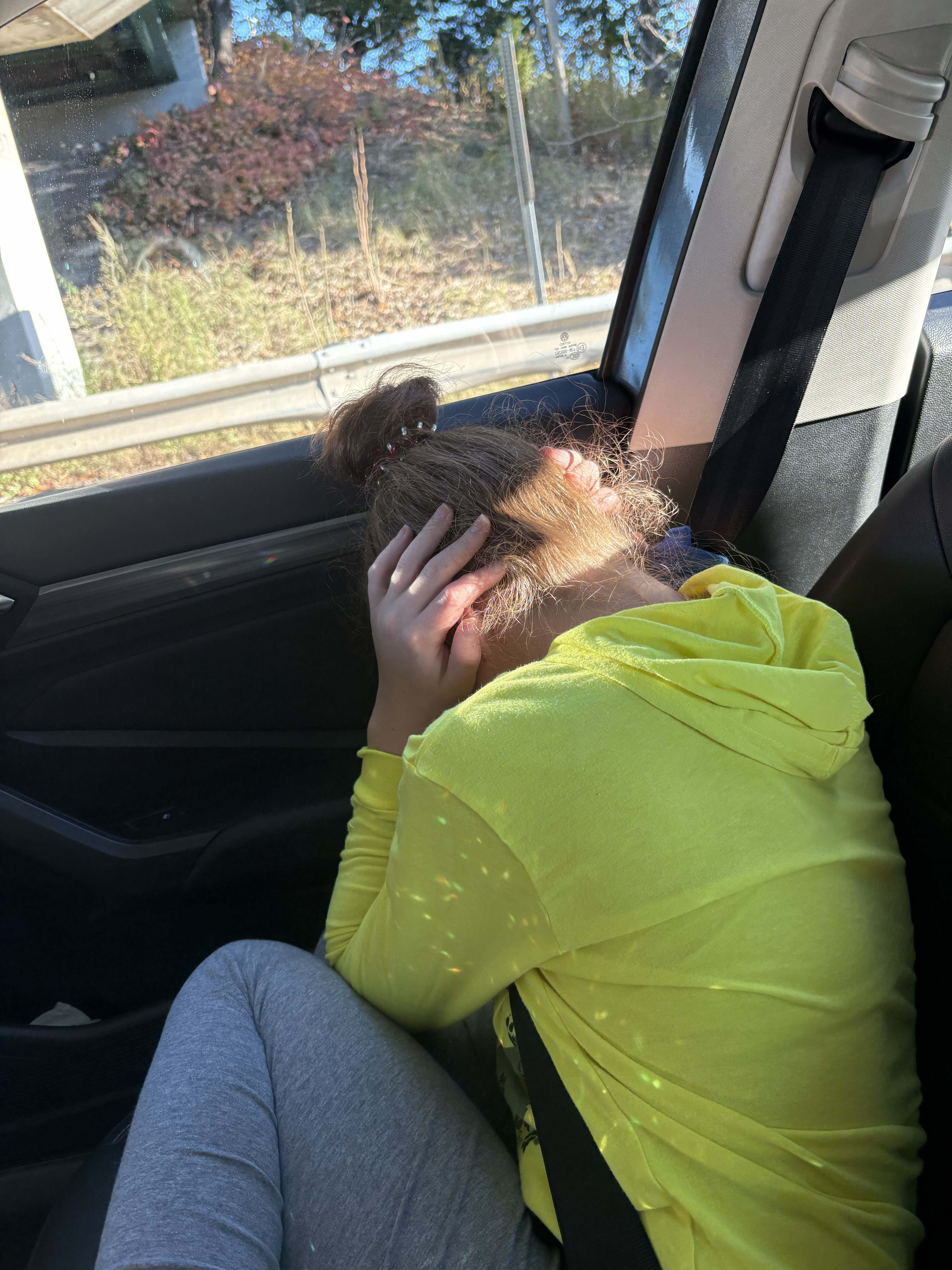
The drugs that had her shouting she hated me, while also hugging me. The drugs that due to her medical condition, we did not know if it was the drugs or the condition of catatonia, combined with an intellectual disability, combined with being quasi-non-verbal, combined with autism and PACS1 and puberty emerging.
There were many instances during that time period, when brought to tears, I questioned what I was doing to my child. Maybe it would be easier to let her slide into catatonia and her own world rather than fighting to stay in mine.
The difference between Lindsay Clancy and Bridget are vast. Lindsay could verbalize how the drugs where effecting her, how they were making her feel and to advocate for herself. With Bridget, I had to go on behaviors. The tears for seemingly no reason. The balance issues. The up all night stimming versus the inability to wake her up because she was so snowed. The vacant stares versus the hitting her head on the floor.
The similarities between Lindsay Clancy and Bridget are also very minute. Both have a mental illness. Both were (are) being treated with selective serotonin reuptake inhibitors (SSRIS) and benzodiazepines (benzos). Both had strong family advocates, crying for help for their loved ones. Both had to trust their healthcare providers to stay the course, to trust that the doctors knew what they were were doing.
The devastating factor that is the biggest difference is I could trust Bridget’s neurologist because we had been under her care for 16 years. When she diagnosed Bridget with catatonia, she did not just transfer us to psychiatry, but took time out of her day to go to the appointment with me. When Bridget was hospitalized, this neurologist visited her in the hospital to make sure she was okay. When the effects of the drugs were more than we could handle, we had trust in her team because they knew her.
This is the heartbreaker, for me, about Lindsay Clancy. Her team did not know her, she did not know them so she did not trust in their treatment of her. Her team let her down, because they (per testimony) never consulted or spoke to one another. They did not review one another’s medical entries. In the world of electronic records, this is mind boggling. They had to trust what Lindsay was reporting to them, of course, but they also should have provided the extra care Bridget’s neurologist showed, but talking with the other treating providers. I honestly believe, if it was not for Bridget’s neurologist, her psychiatric team may not have trusted what I was telling them.
I know, in my heart of hearts, I would not have trusted the psychiatric team if I did not have trust in her neurologist.
There are those that look at this case as “doctor shopping” or not following through with the prescribed plan of care. I want to shout at everyone that until you live through what medication and mental illness does to a family, you need to listen to this case and to the entries in this woman’s diary. Lindsay was crying for help (in my opinion) and seeking care from anyone who would listen to her.
Just as I did, in the beginning of Bridget’s catatonia. I went to her pediatrician, I went to her gynecologist and to her school team. Not ever thinking that she was having a mental disease, I asked her pediatrician to if she could consult with Bridget’s neurologist, and thankfully there was no ego involved. Instead, the pediatrician but a call into neuro that day. When neuro called back and our pedi was in with another patient, she allowed herself to be interrupted to take the call. We had a team working together, not working as individuals.
I firmly believe, that Bridget’s care was successful because she has a rare disease and has been in multiple specialist’s care since birth.

Had she not? Had we not been entrenched with Boston Children’s Hospital for 17 years? Had I not had faith in her current team to consult with psychiatry? It is not blind faith, when Bridget needed spinal surgery, I got a second opinion at another facility. I have always questioned the therapists, the school system, the pharmacy and the doctors when it comes to Bridget’s care.
It is because we had a history with providers, that we were able to trust in the treatment.
Yes, there was tears, some days too much wine and whining on my part. Yes, there were times I questioned if I was making the right decisions for my child’s plan of care. When I had to trust in those who have always treated Bridget with compassion.
But I have 17 years experience in living this life. Lindsay Clancy and her family only had months. Yes, she is a nurse, but there is a difference between living with disease and treating others with it.
We were lucky. It took almost 12 months to get the drug combinations to bring Bridget back to our world.
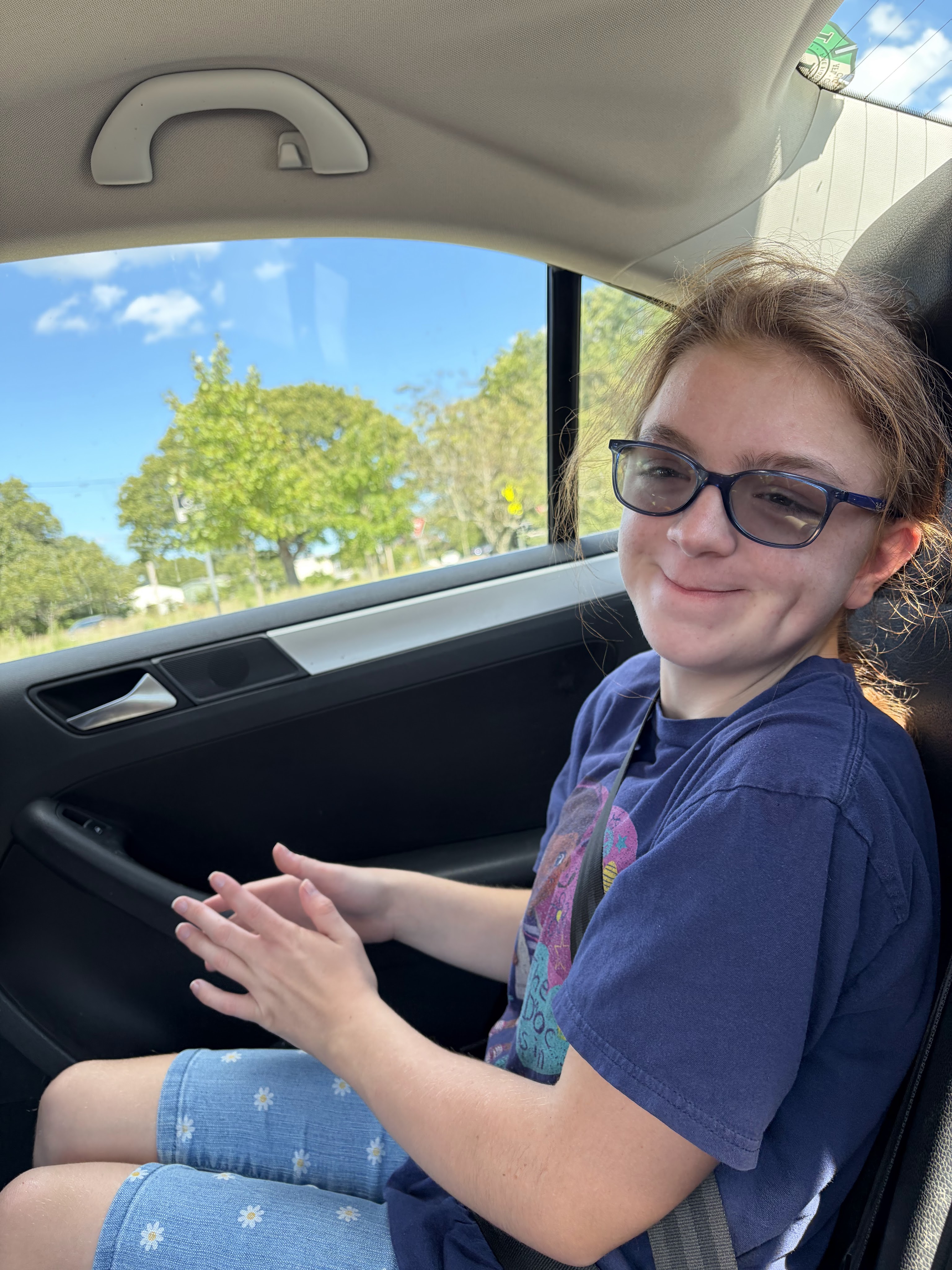
My girl, with love, patience and yes medications, is almost back to the girl she was before catatonia entered our lives.
Any of us can Monday quarterback or second guess exactly what Lindsay Clancy was experiencing during the months preceding that horrific night. I will never know what was happening in Bridget’s brain as we were finding the right mix of prescriptions and doses. She, to this day, is unable to tell me how the drugs make her feel. If when she was trying to jump out of the car, she had suicidal idealizations or when she screamed she hated me, she really felt that way or the drugs were making her lash out at me.
I’m just grateful I had trust in Bridget’s doctors that allowed me to question what we were doing but provided me the answers I needed to not lose hope.
Unless you love someone with mental illness, or live with it, hate that Lindsay Clancy murdered her children.
And be thankful that you have never experienced whatever she did that led to tragedy.

